Fortresses
A CRITICAL ARTS MAGAZINE
Contents
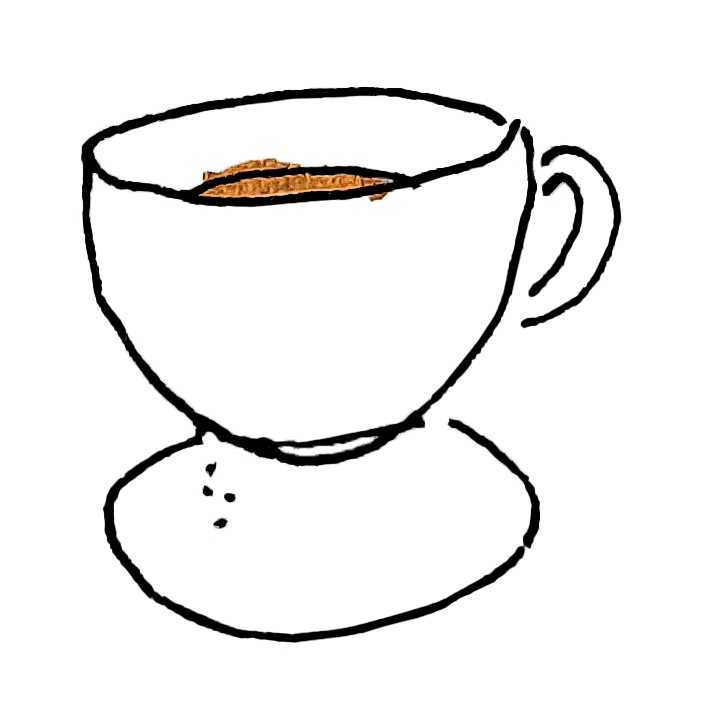
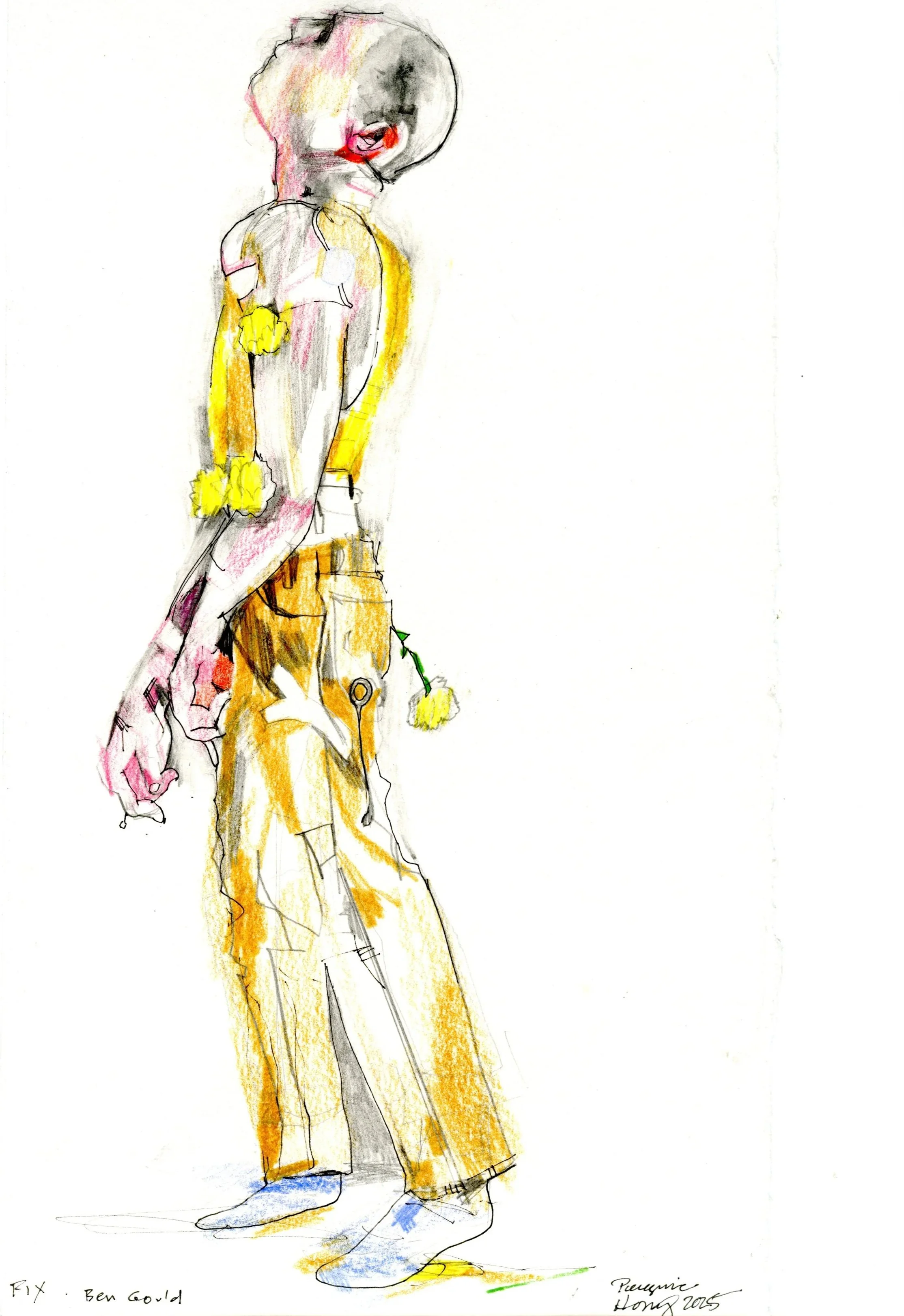
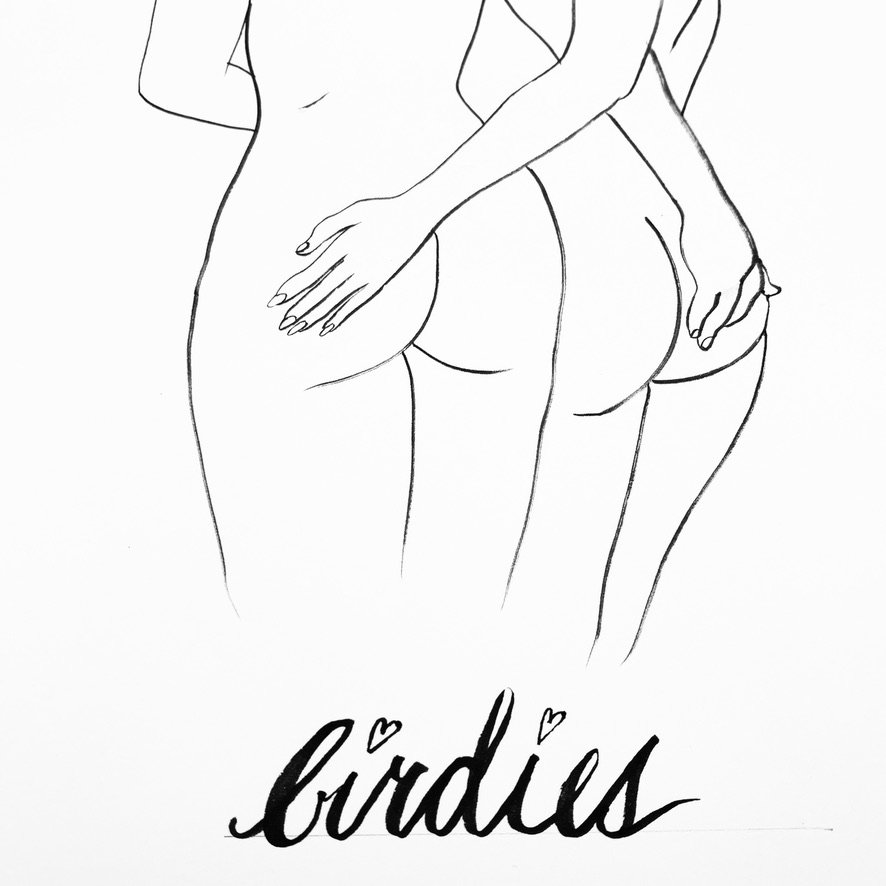
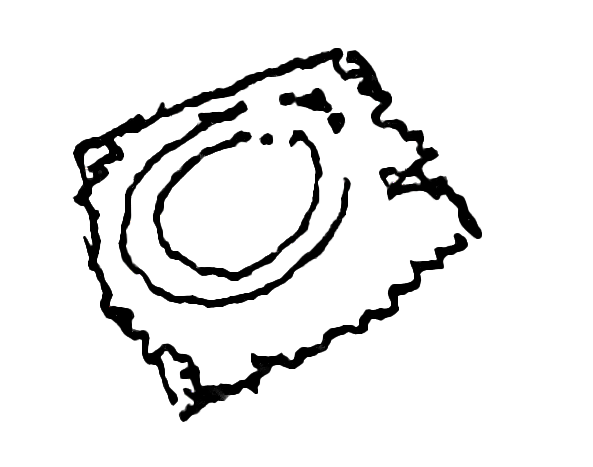
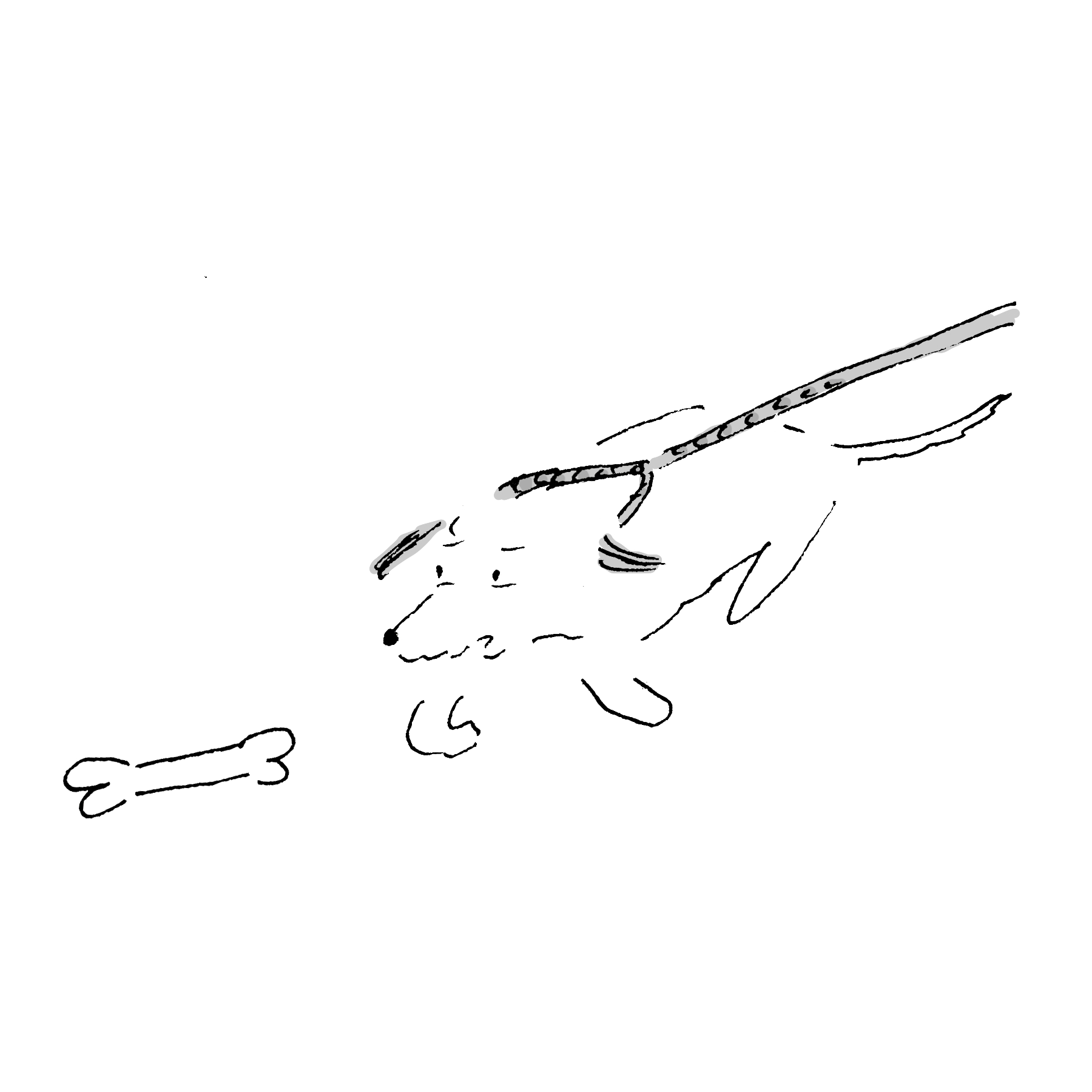
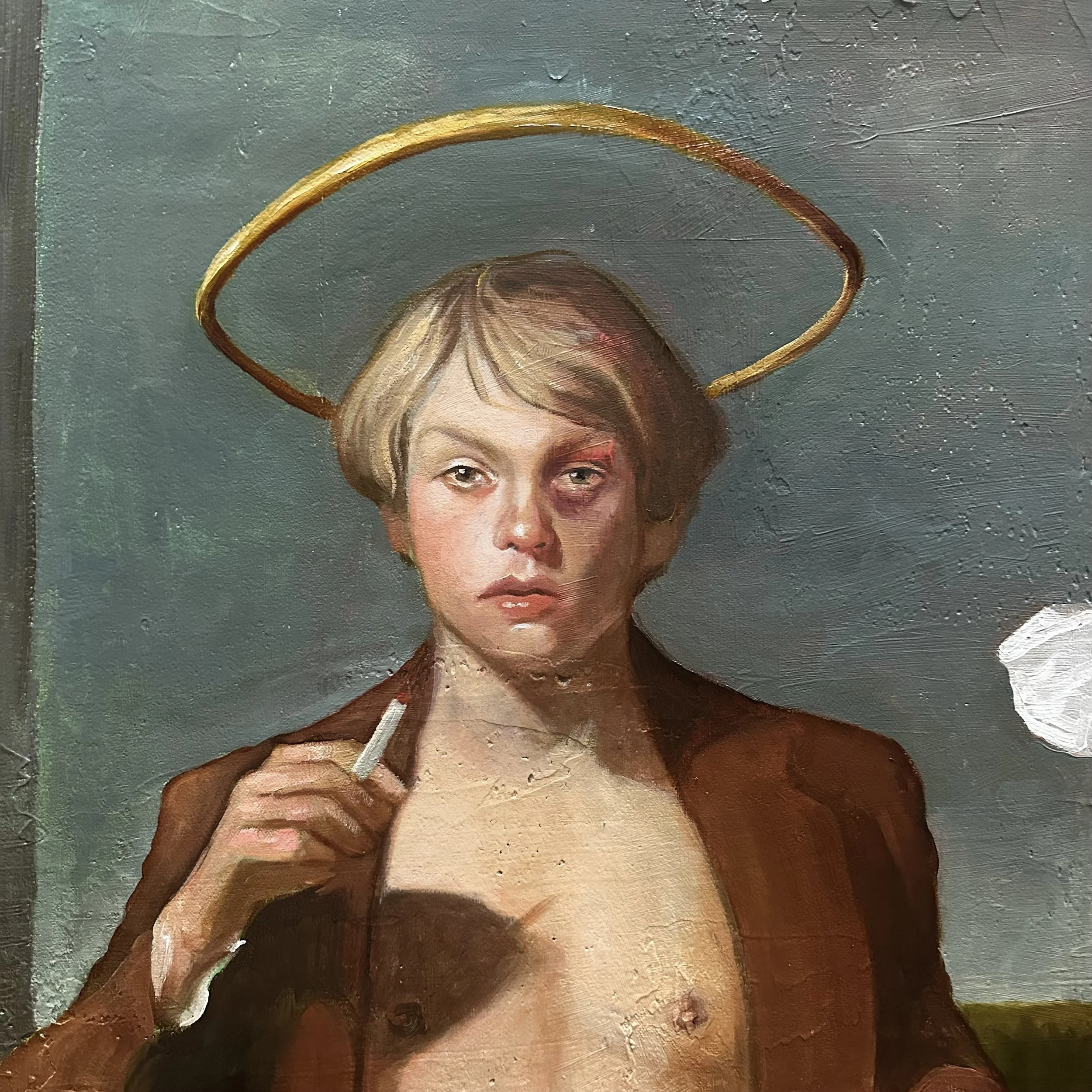
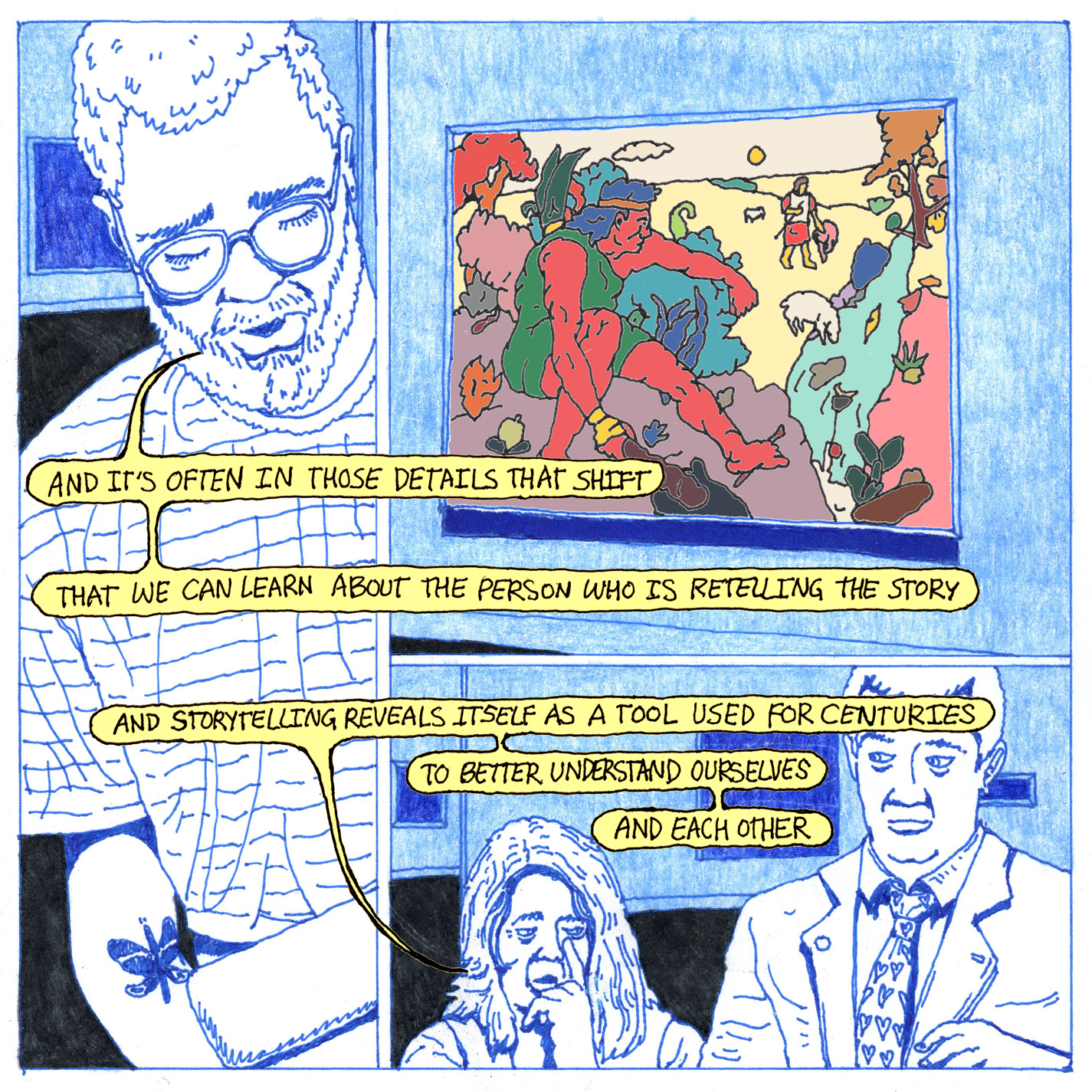
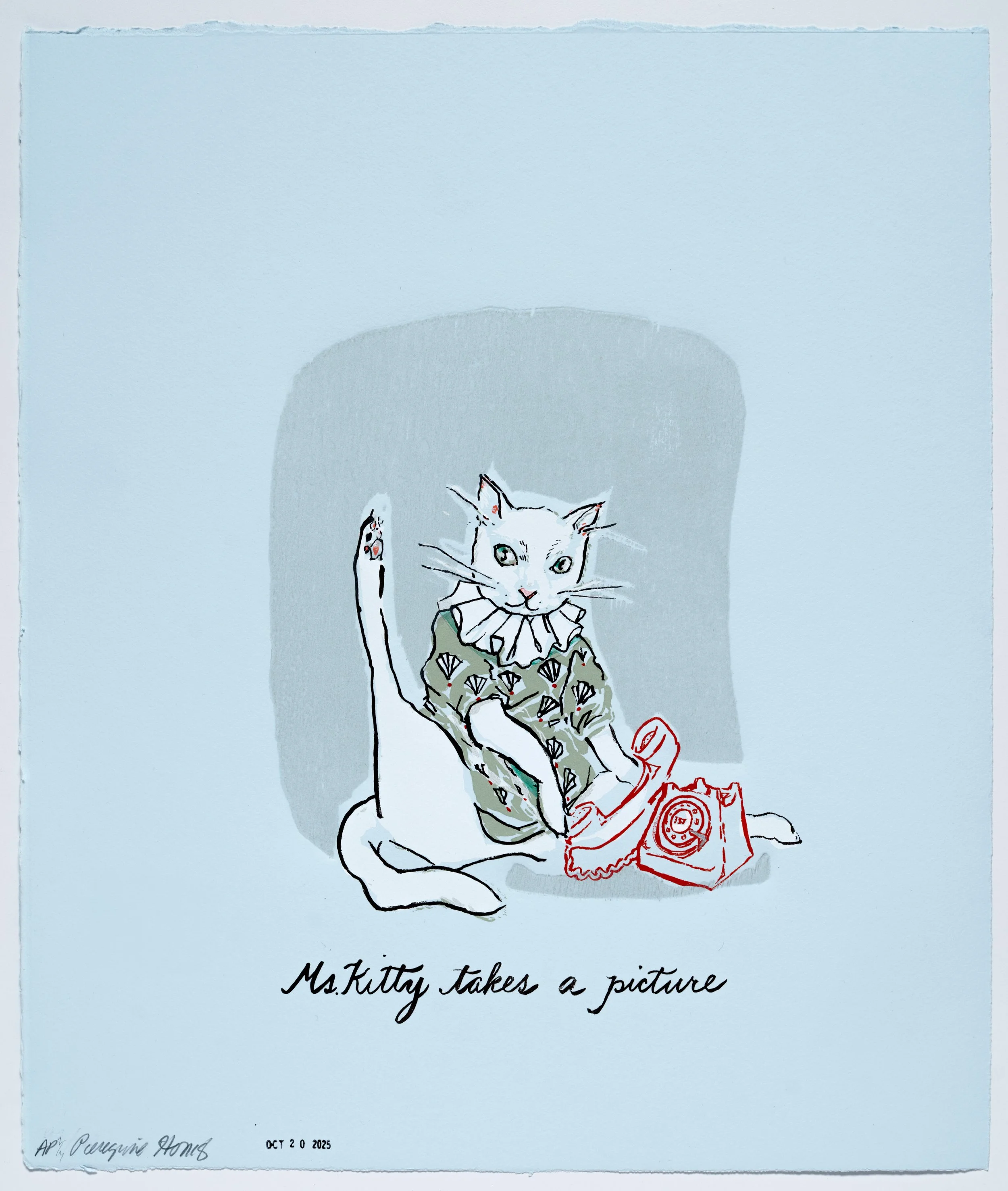
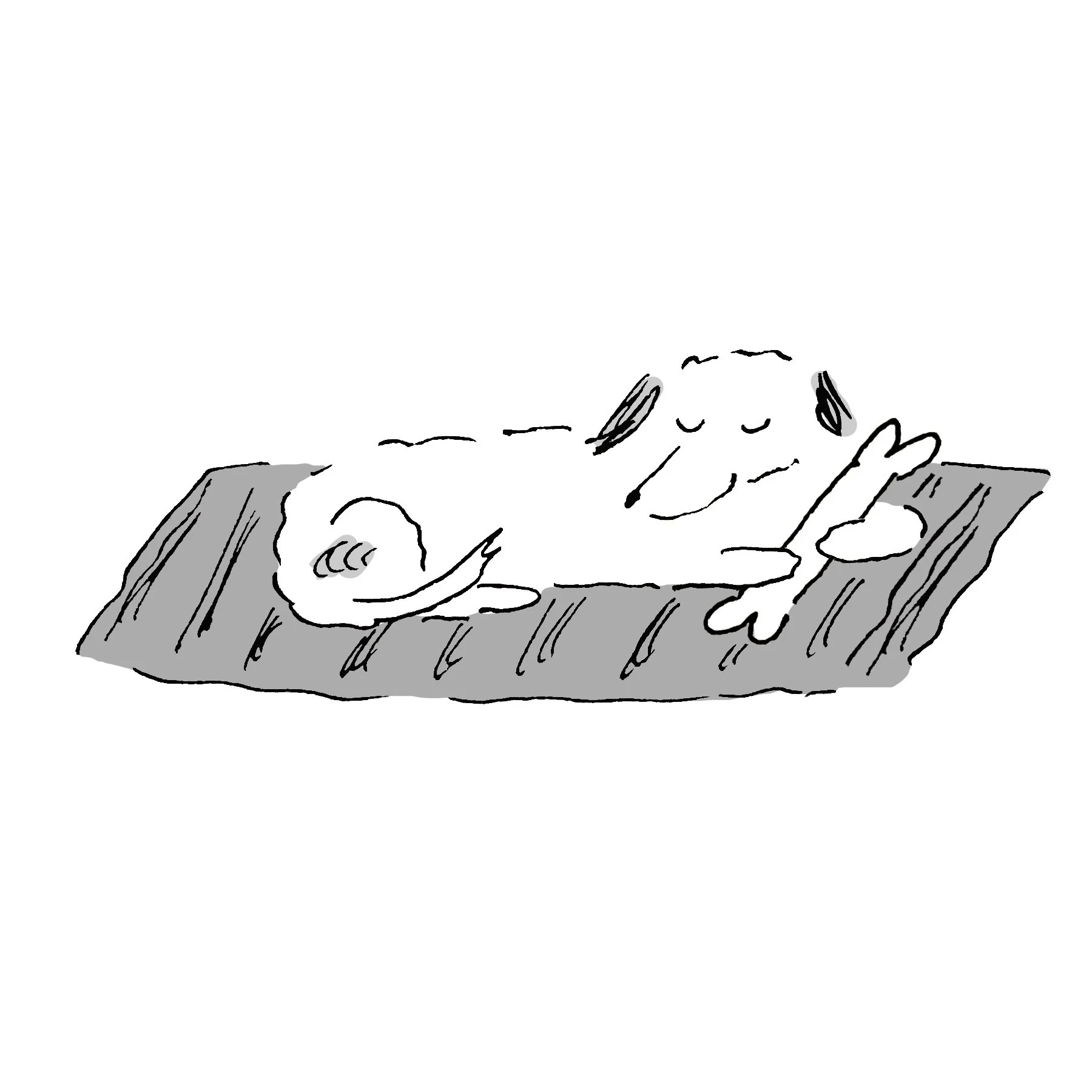
Front cover: “Fix - Ben Gould" | Peregrine Honig | watercolor on paper | 2025Table of contents: Peregrine Honig | ink on paper | 2025Featured cartoonist: Steph Becker | ink on paper | 2025Letter from the Editor
On a Monday, I pulled up a chair with a friend I hadn’t seen for a year. I don’t remember the weather. I remember my fingertips catching on the splintered edge of the workshop table between us when I asked, How do you know when to let go?
She didn’t answer right away. That felt important.
Maybe it’s proximity. Maybe friction. Maybe the kind of knowing that doesn’t show up on time, but keeps insisting anyway. Someone I admire once said that we should try to be a force for good before the worms get our bodies. I think about that often—not as urgency, but as permission. For second lives. Third winds. For moving forward without resolution while staying hungry, staying strange, staying funny, staying sharp.
Fortresses begins here—not because this is the answer, but because this is where the charge felt strongest.
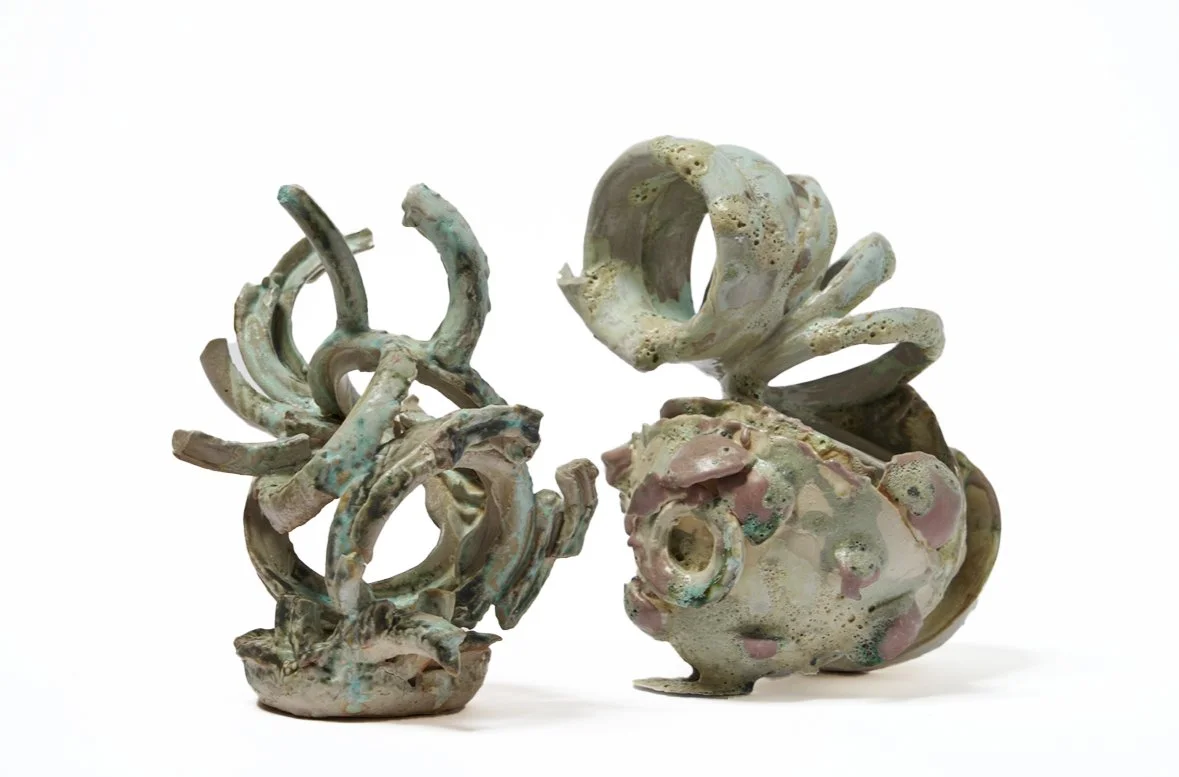
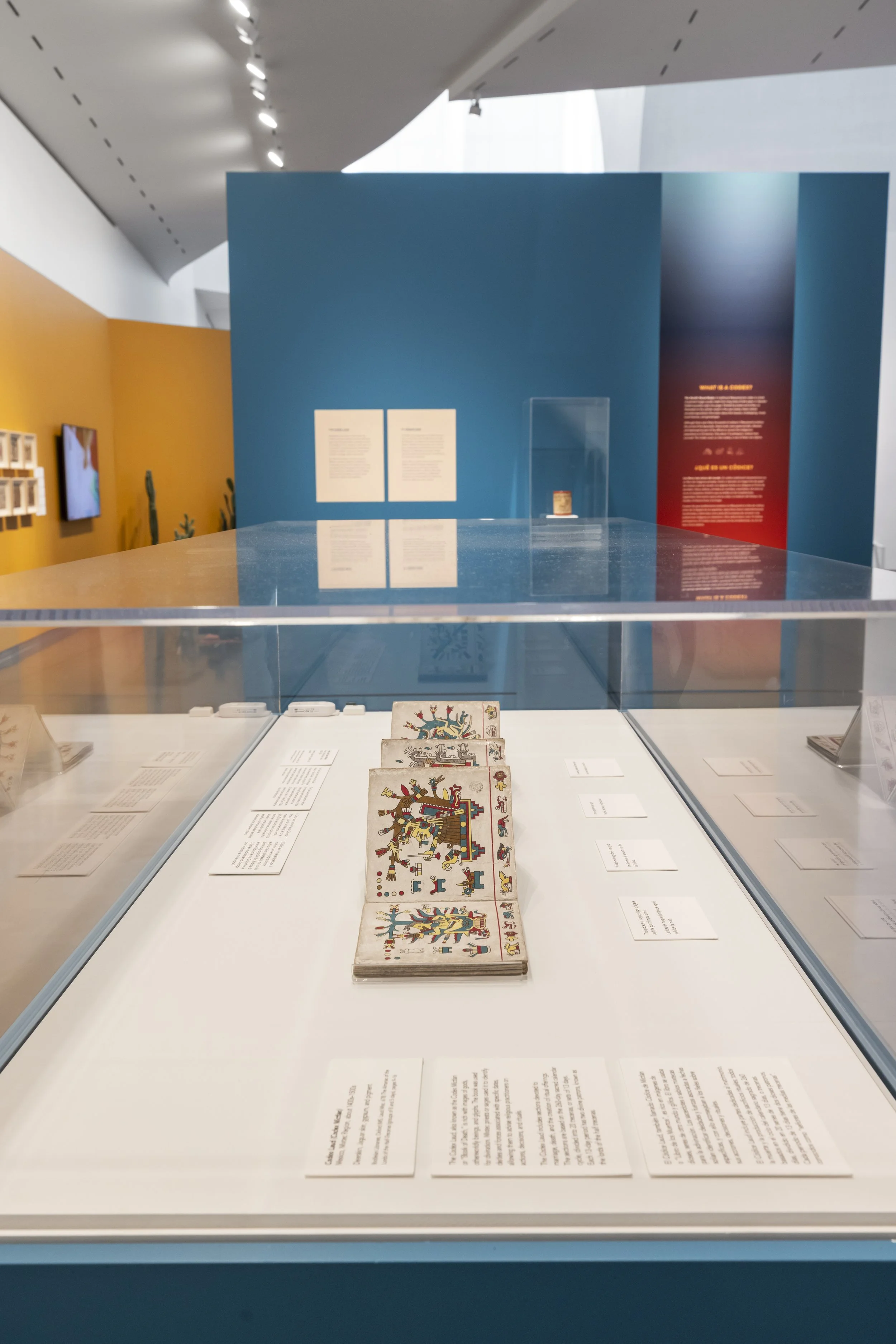
What follows is an anthology in the loosest sense: fine art beside amateur gestures, care beside confusion, candy that looks like fake drugs, good wine, and the strange pleasure of watching people interact without instructions. A way of treating delayed understanding as real knowledge, not a failure of timing.
If something in this issue plows into you, I hope you let it. And then I hope you carry that force elsewhere—into conversation, into practice, into rooms that don’t quite know what they’re holding yet.
— Nyonu
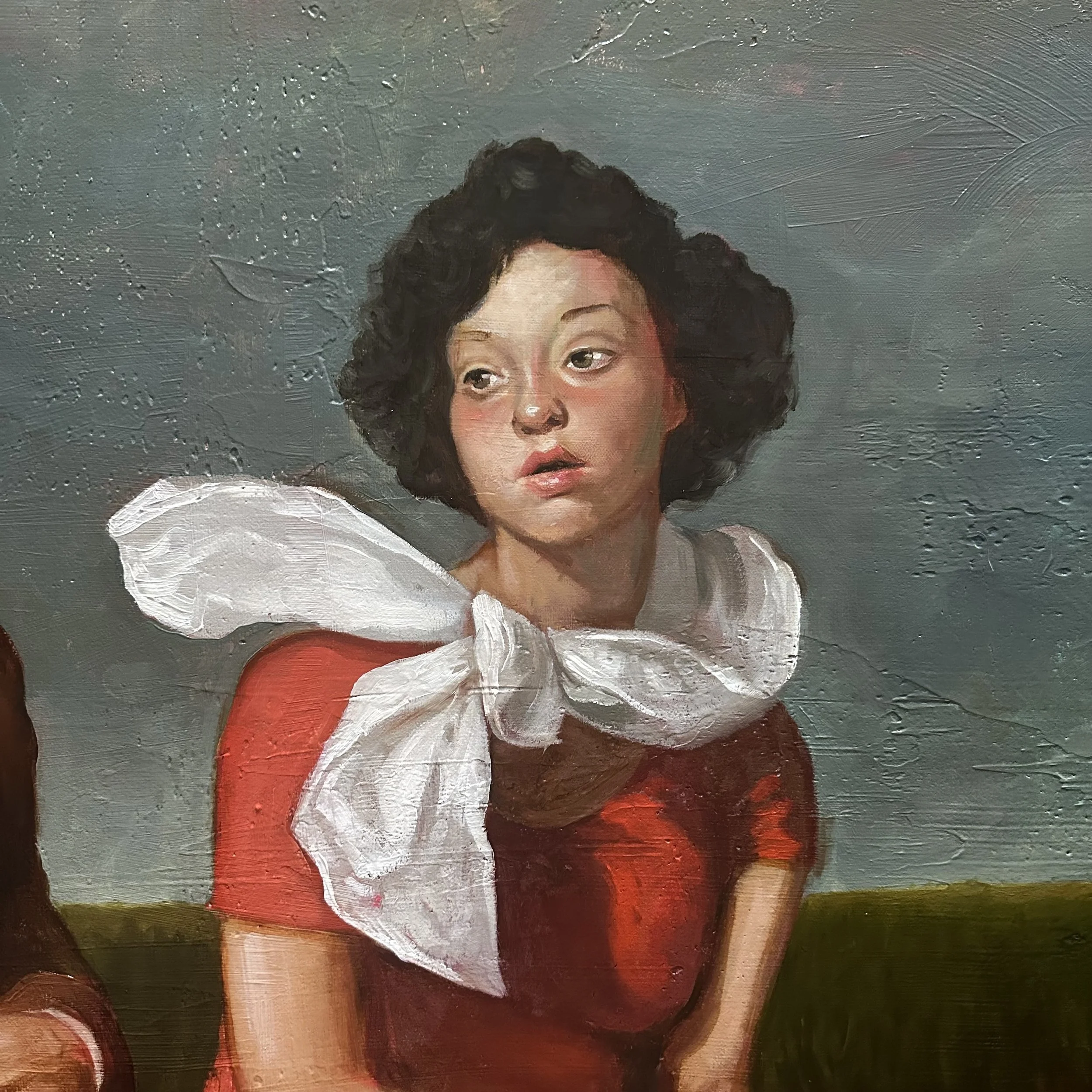
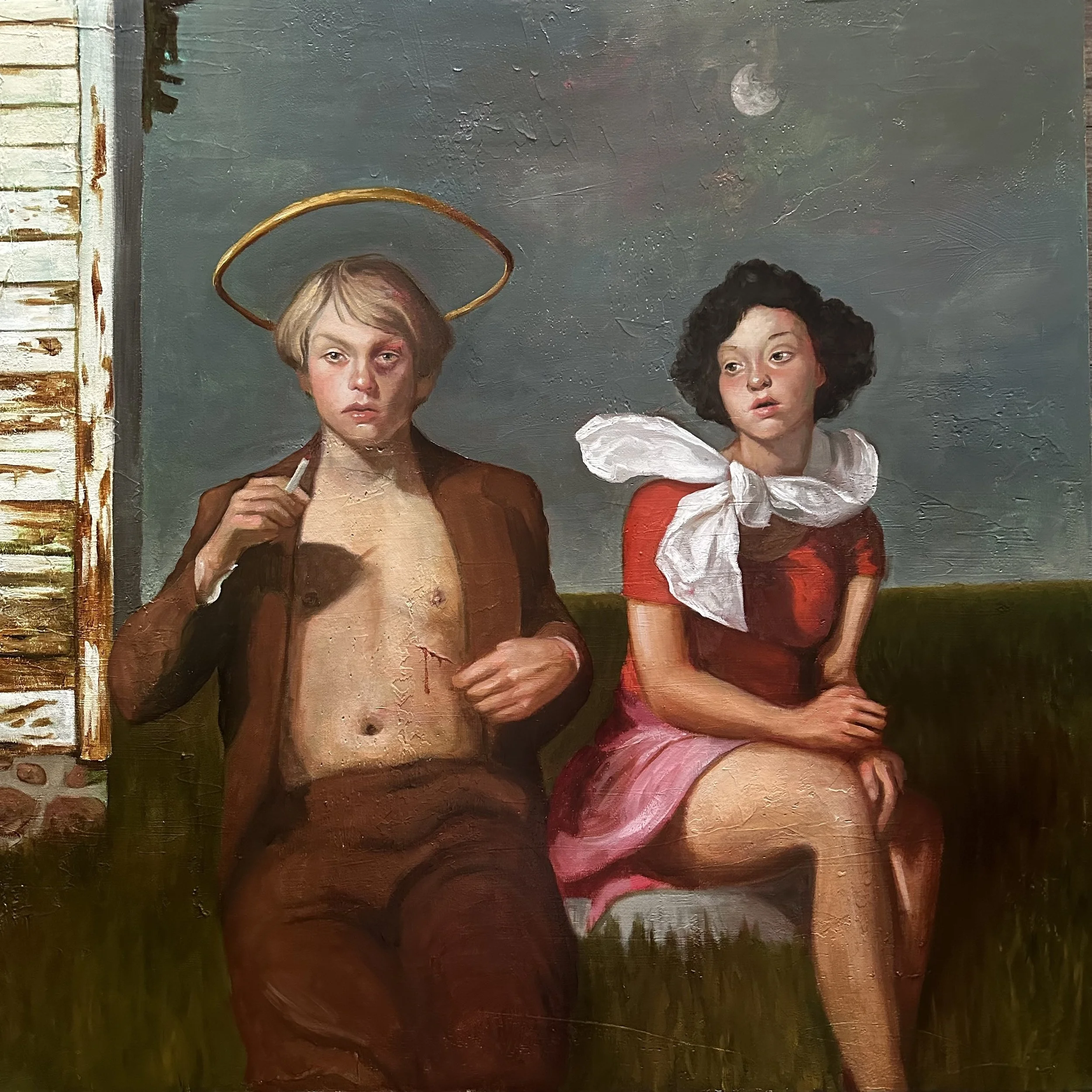
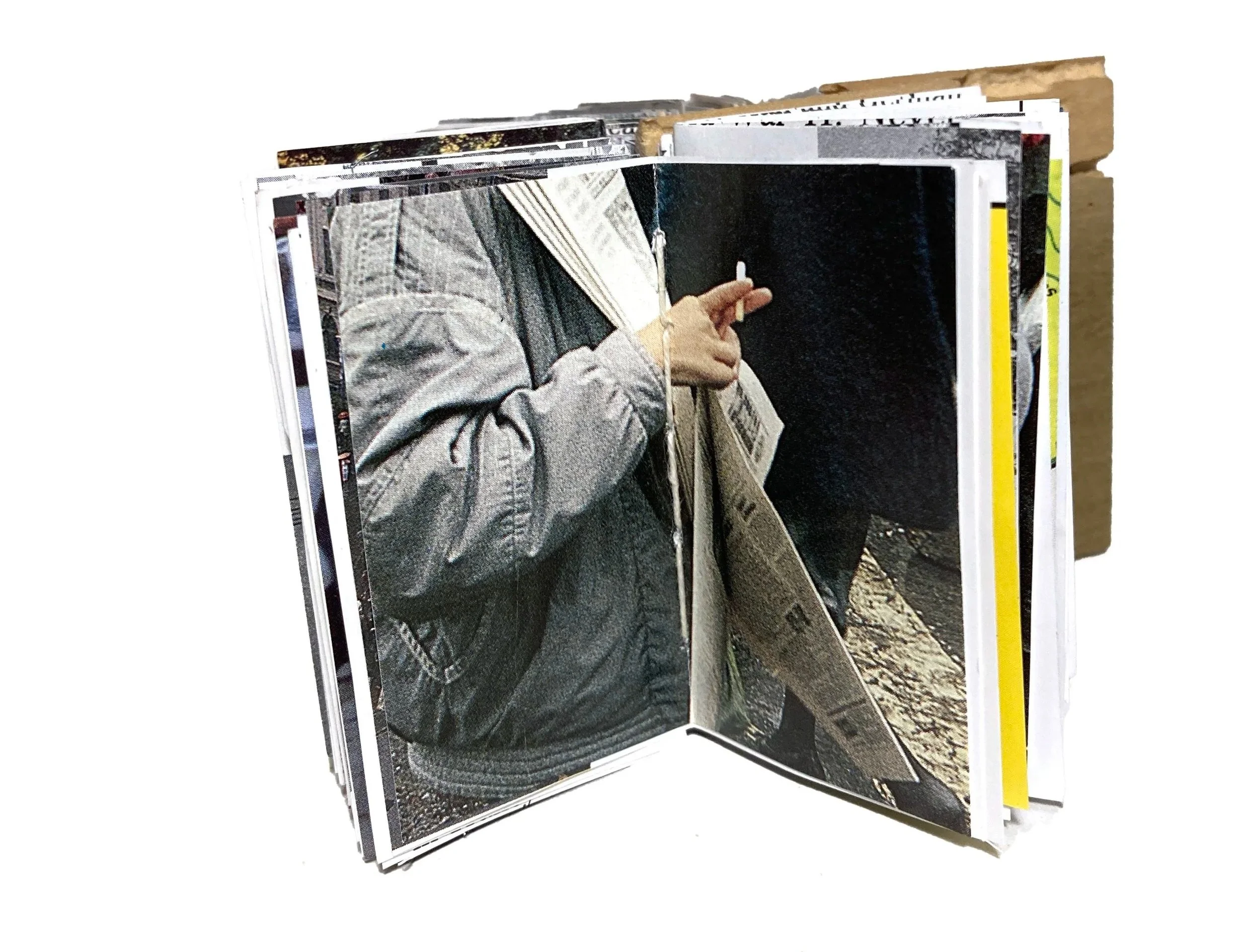
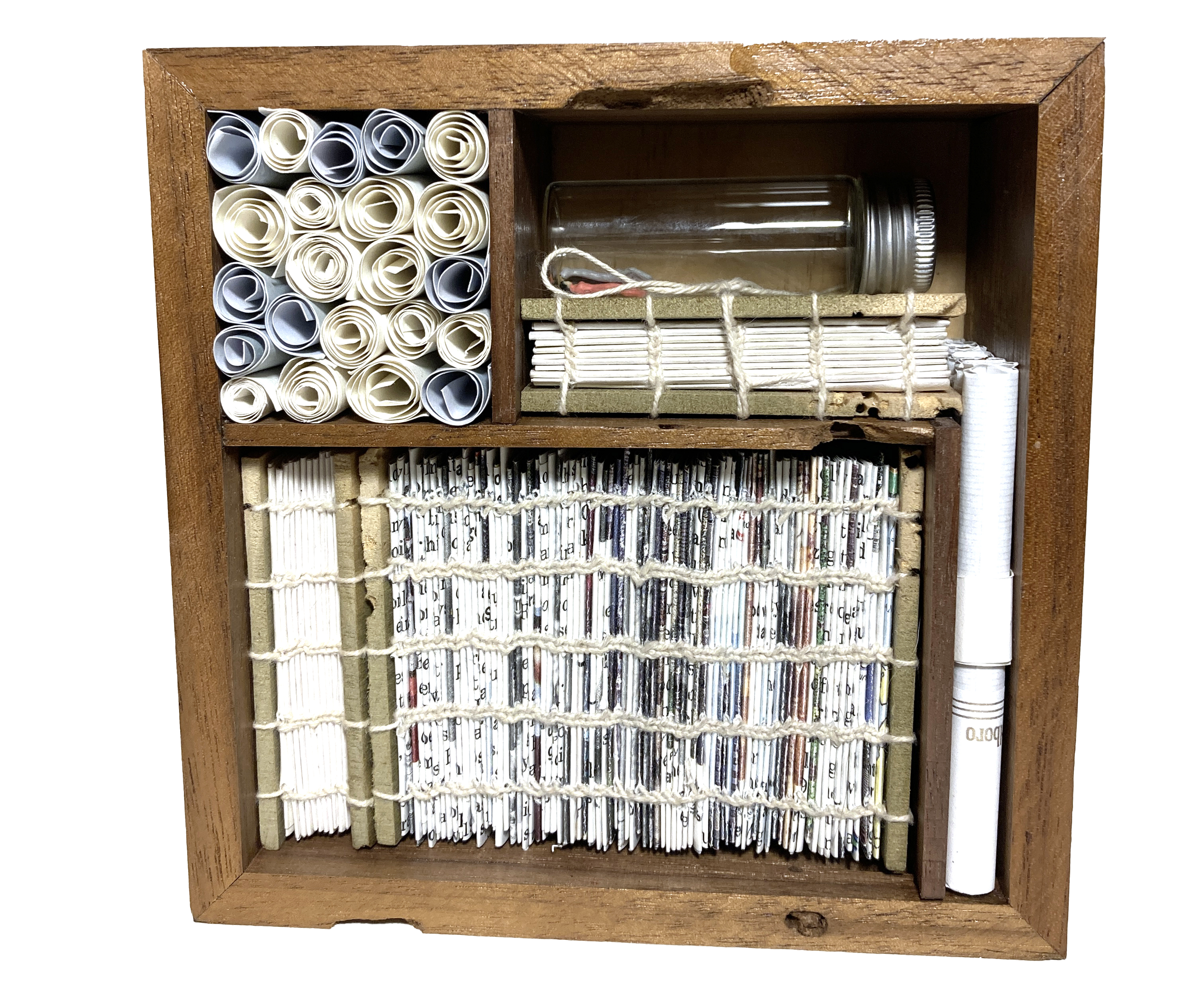
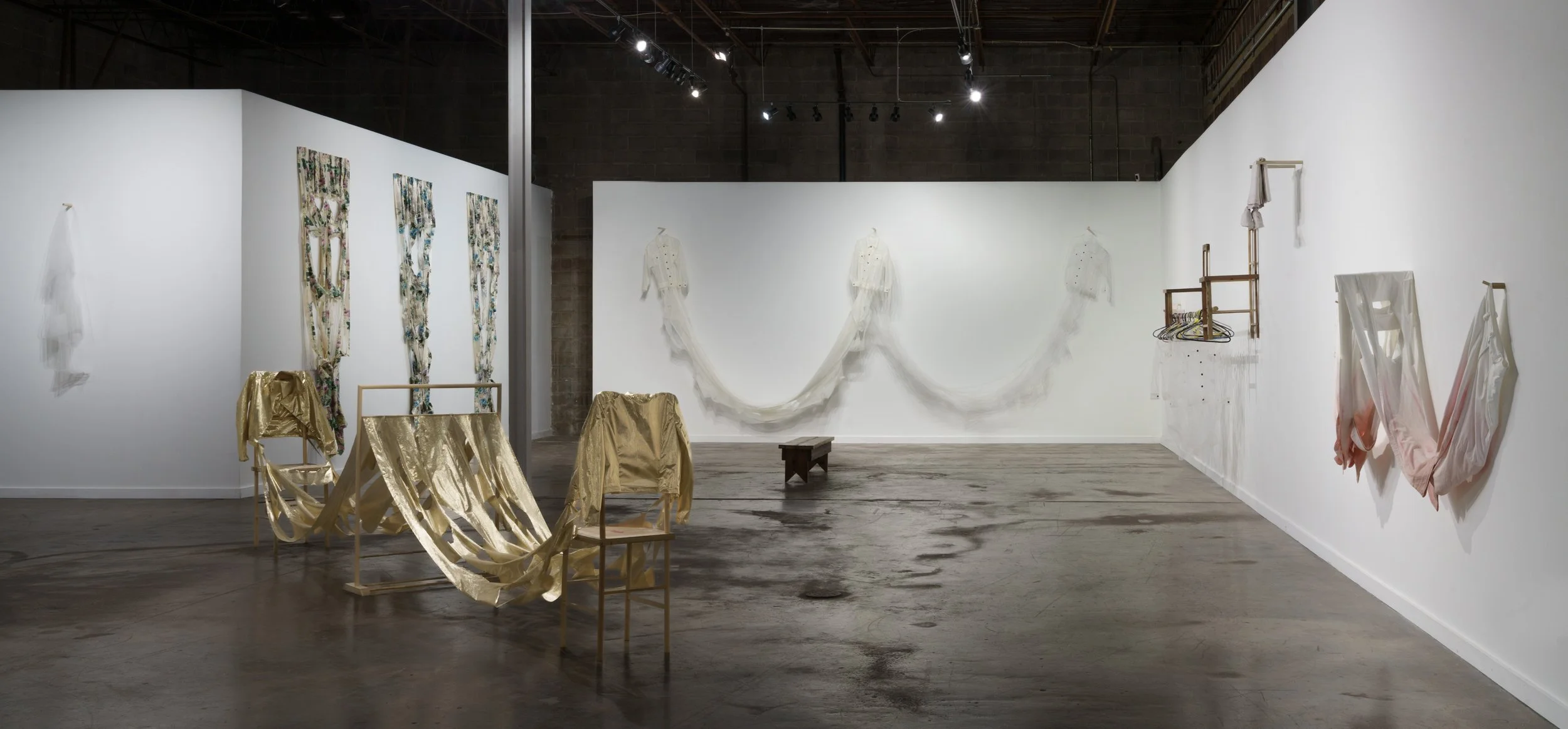
Adornment
— Elinore Noyes
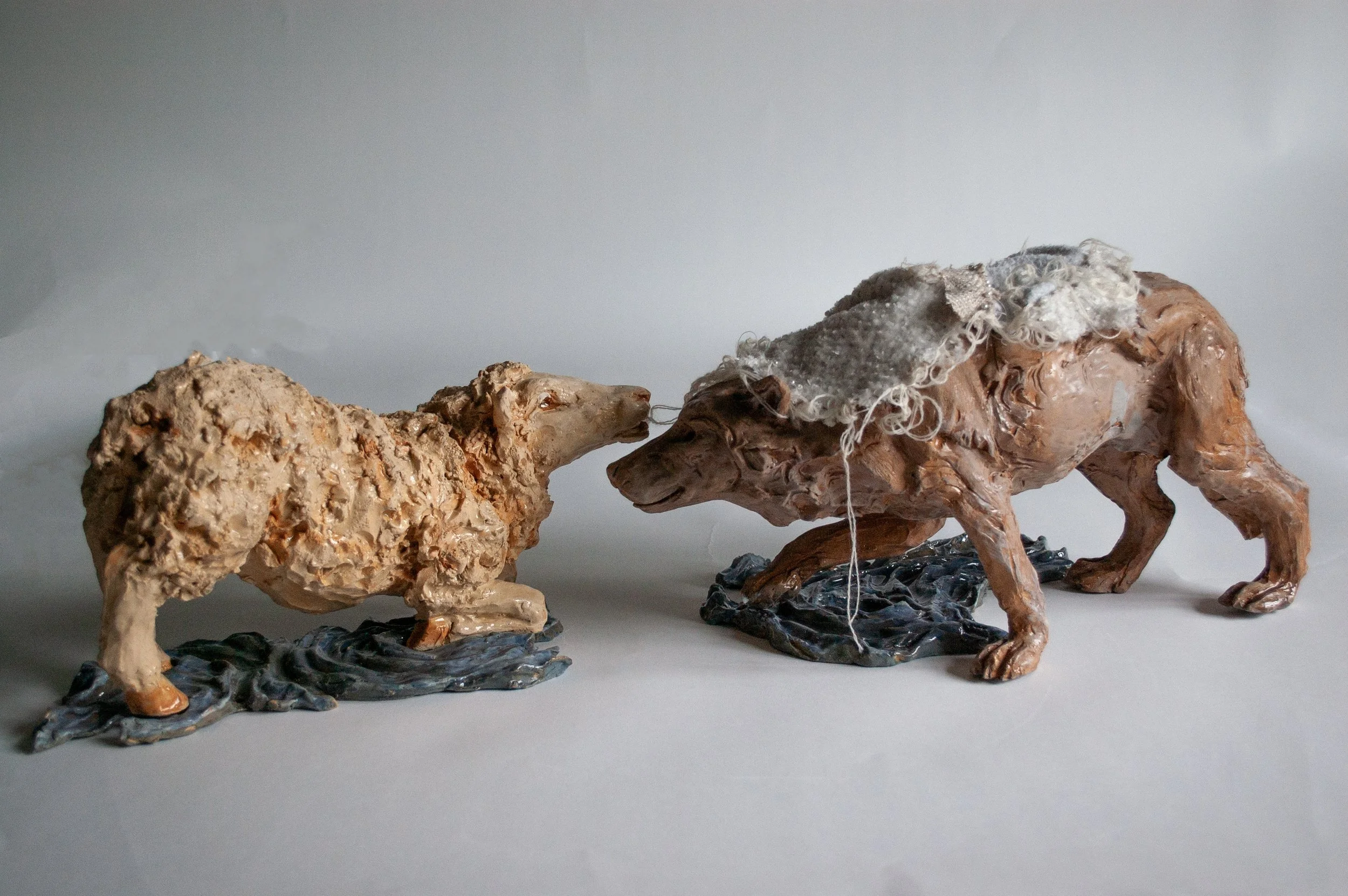
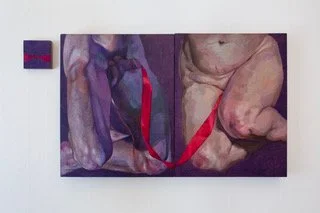
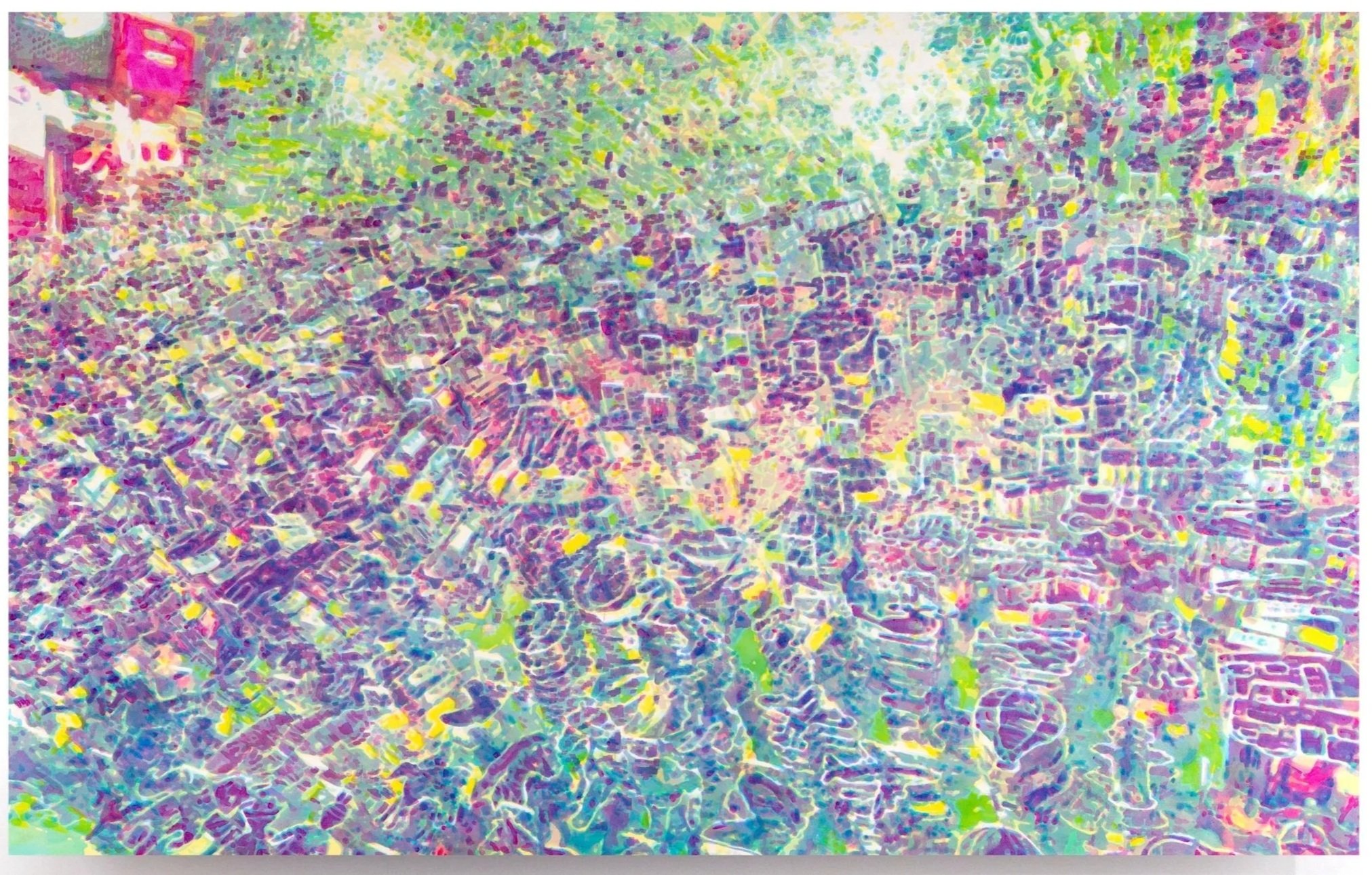
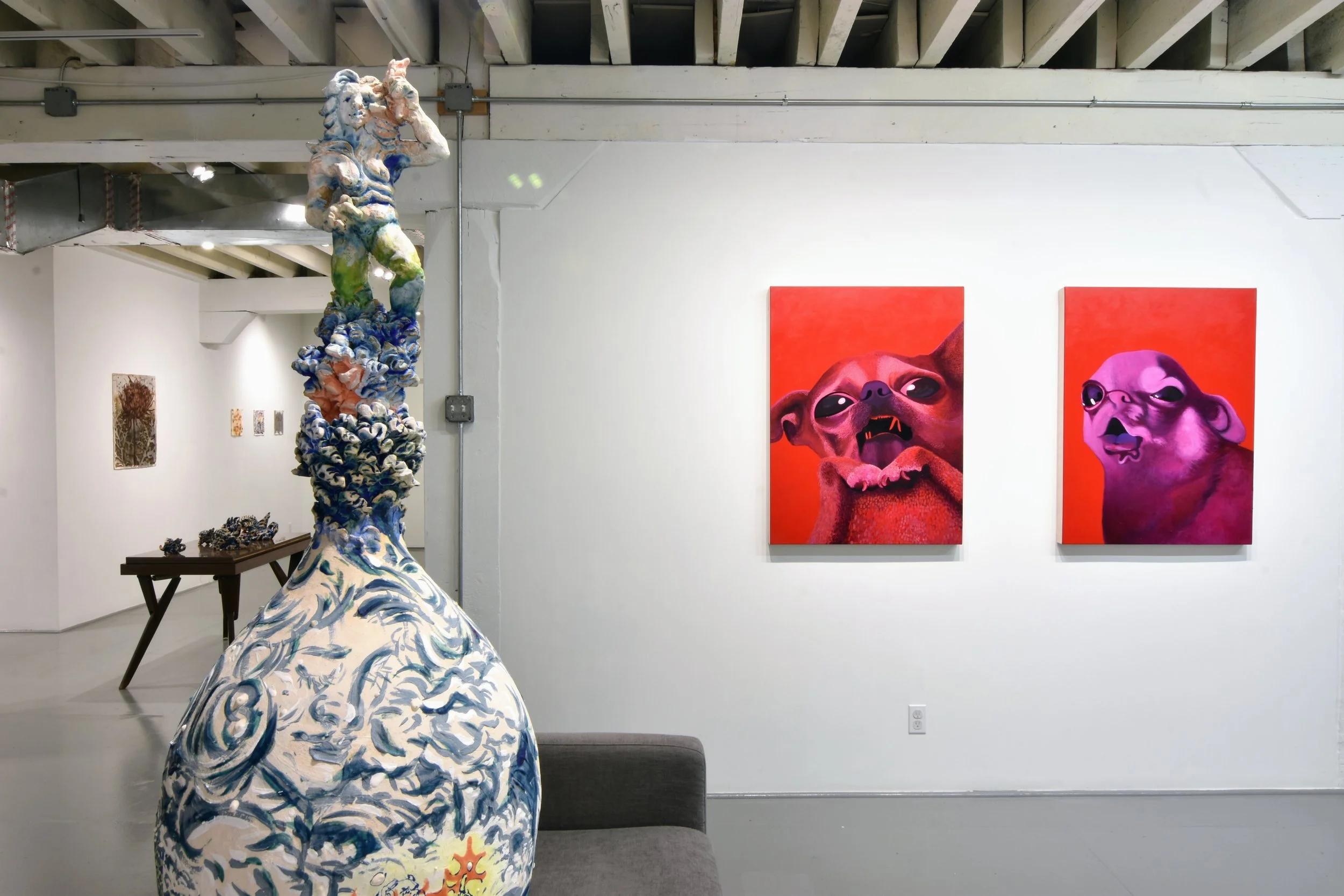
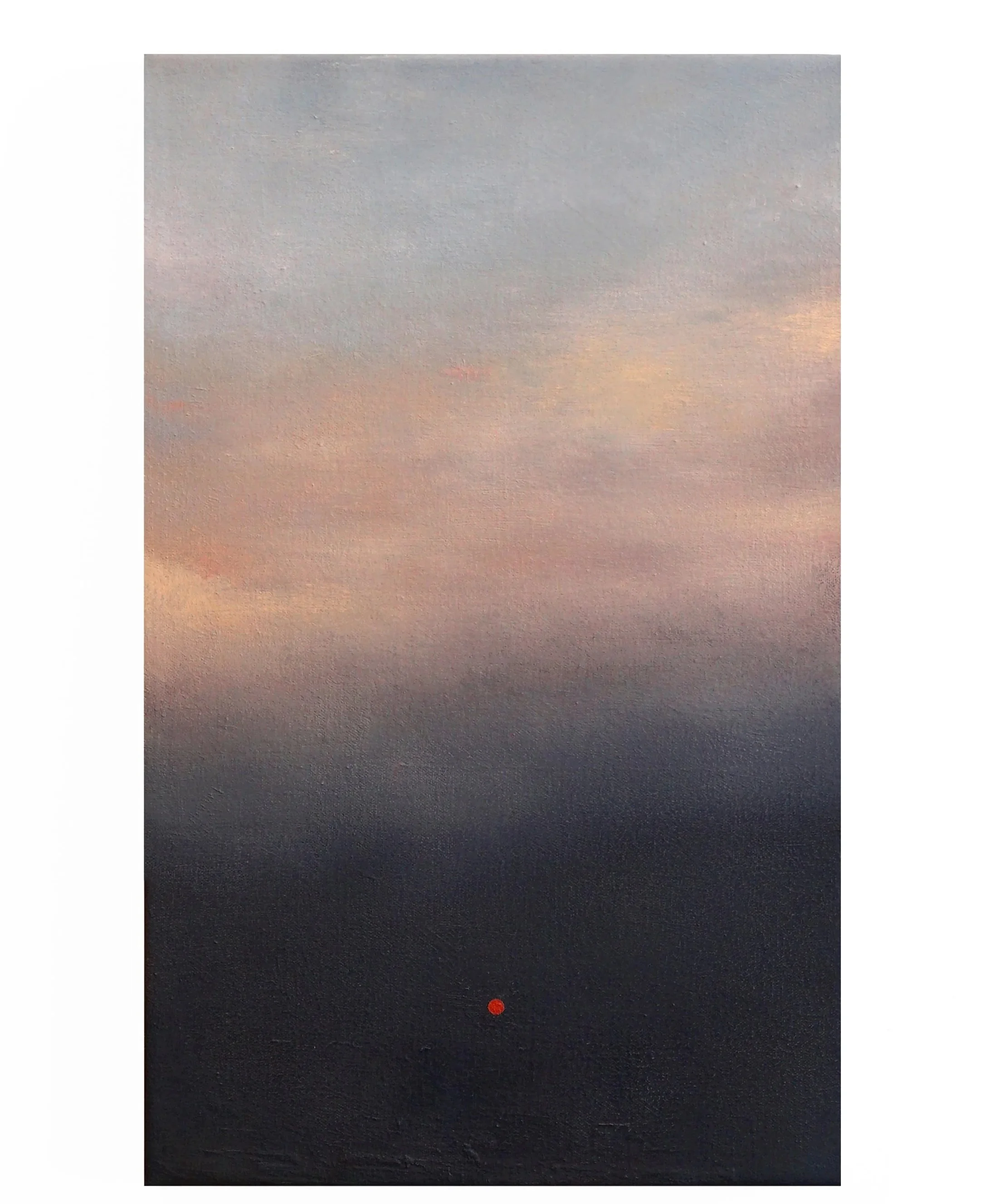
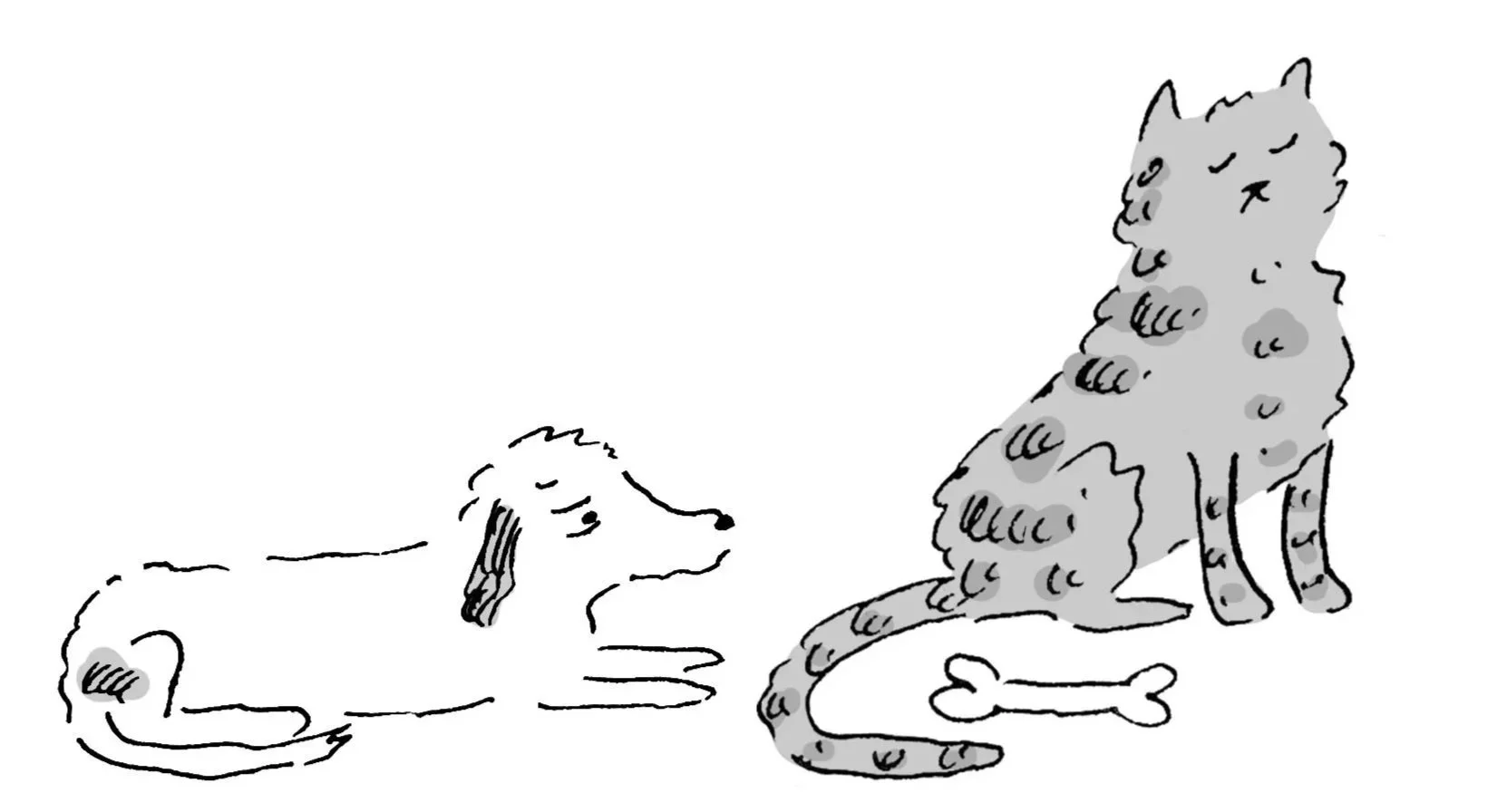

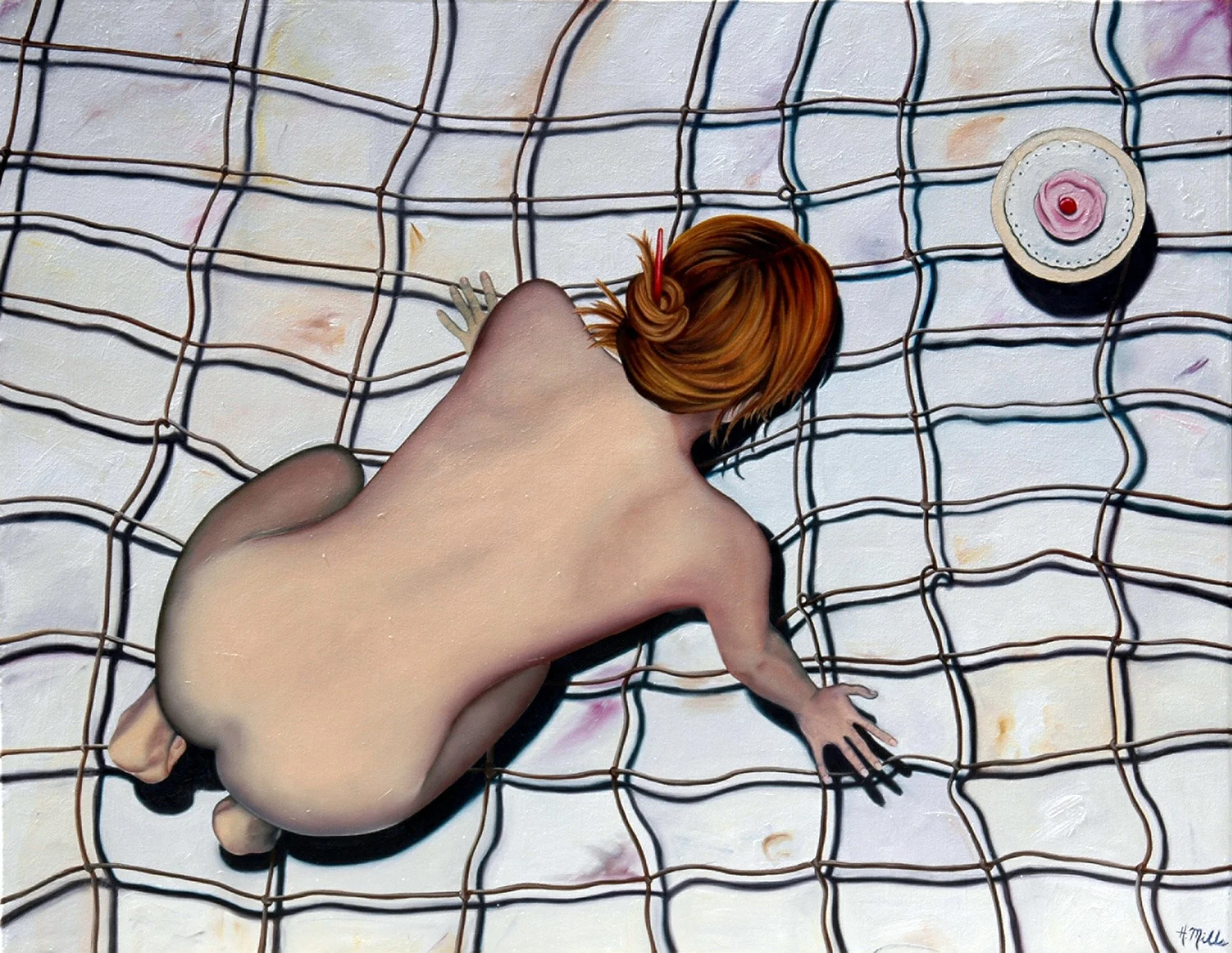
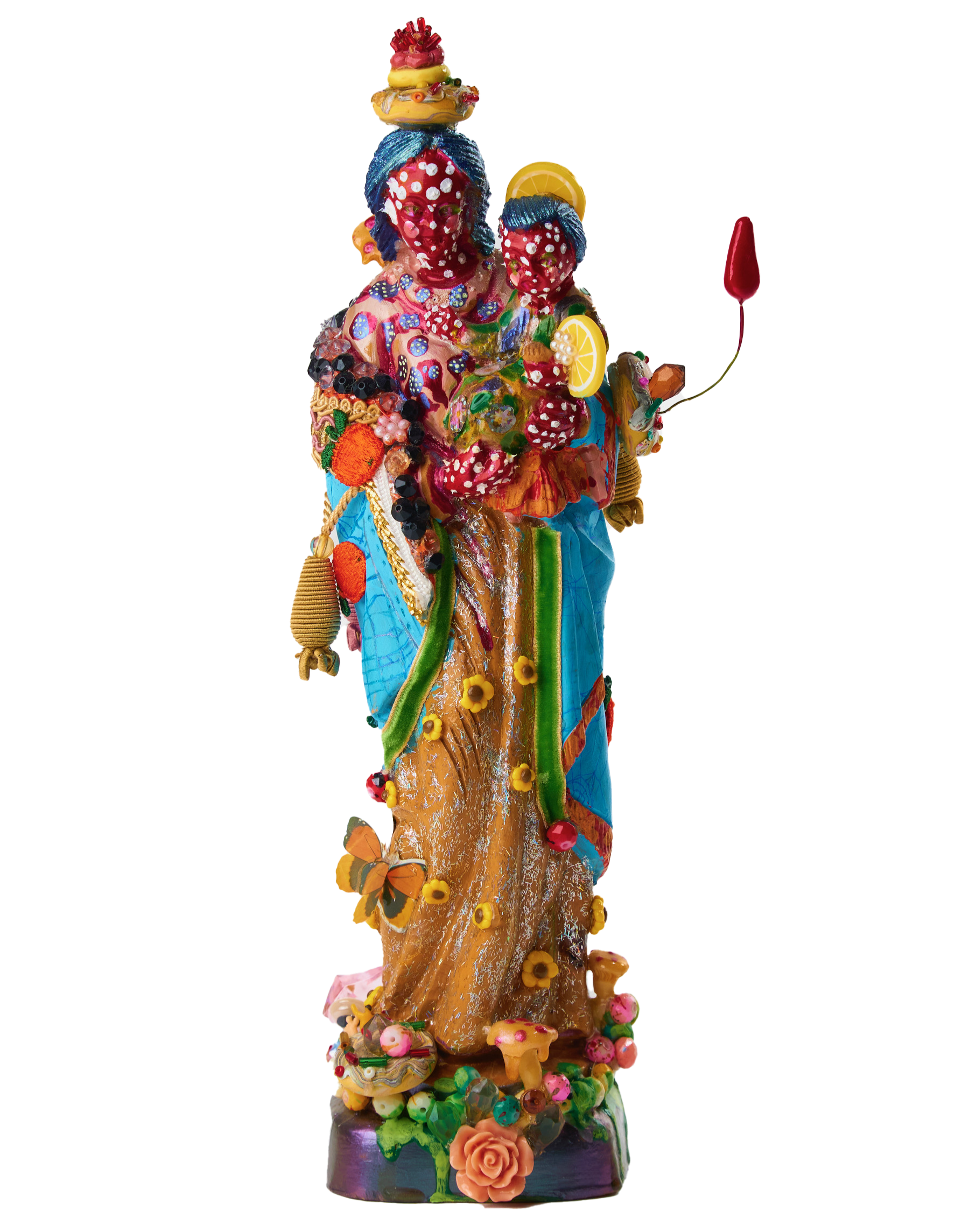
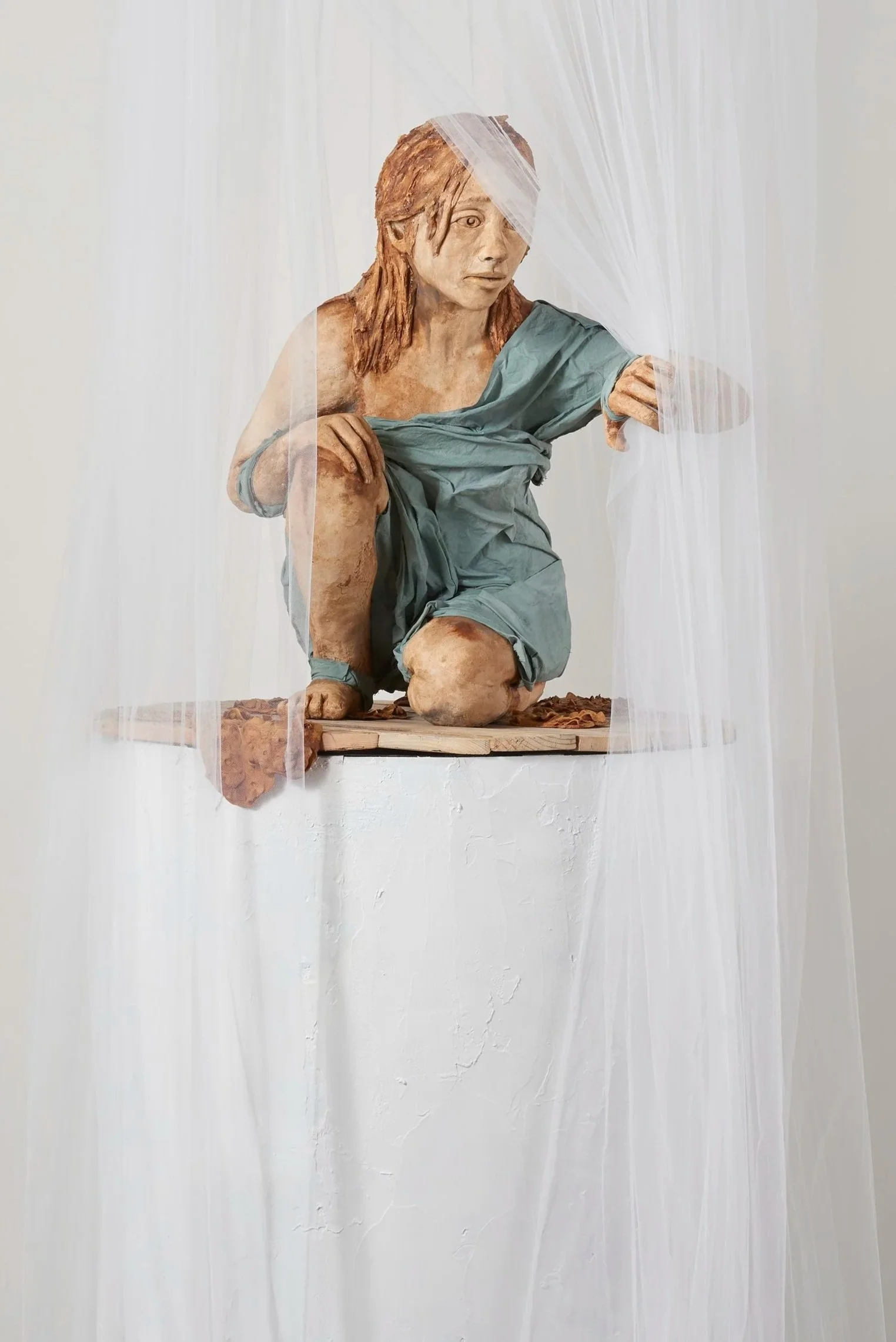
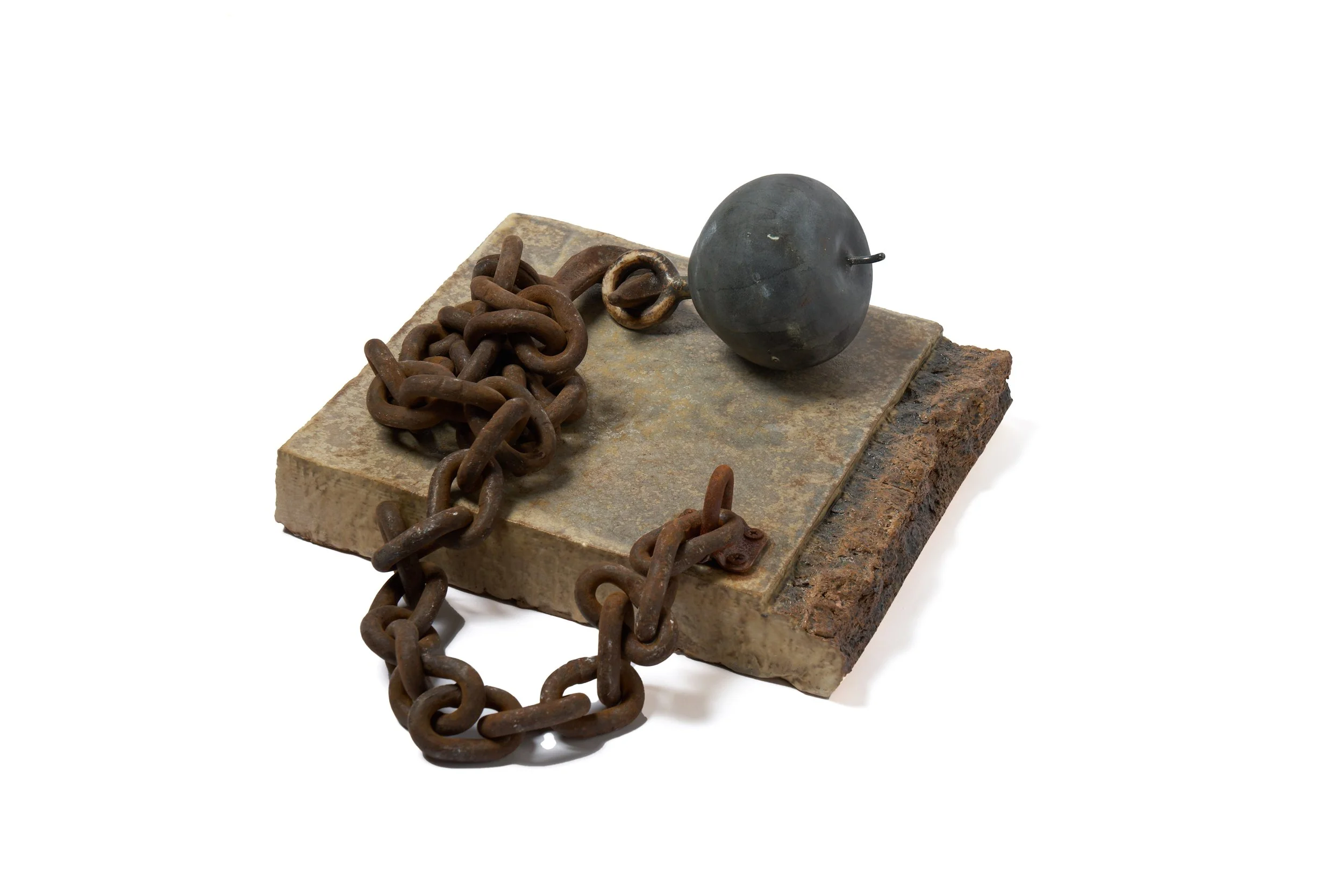
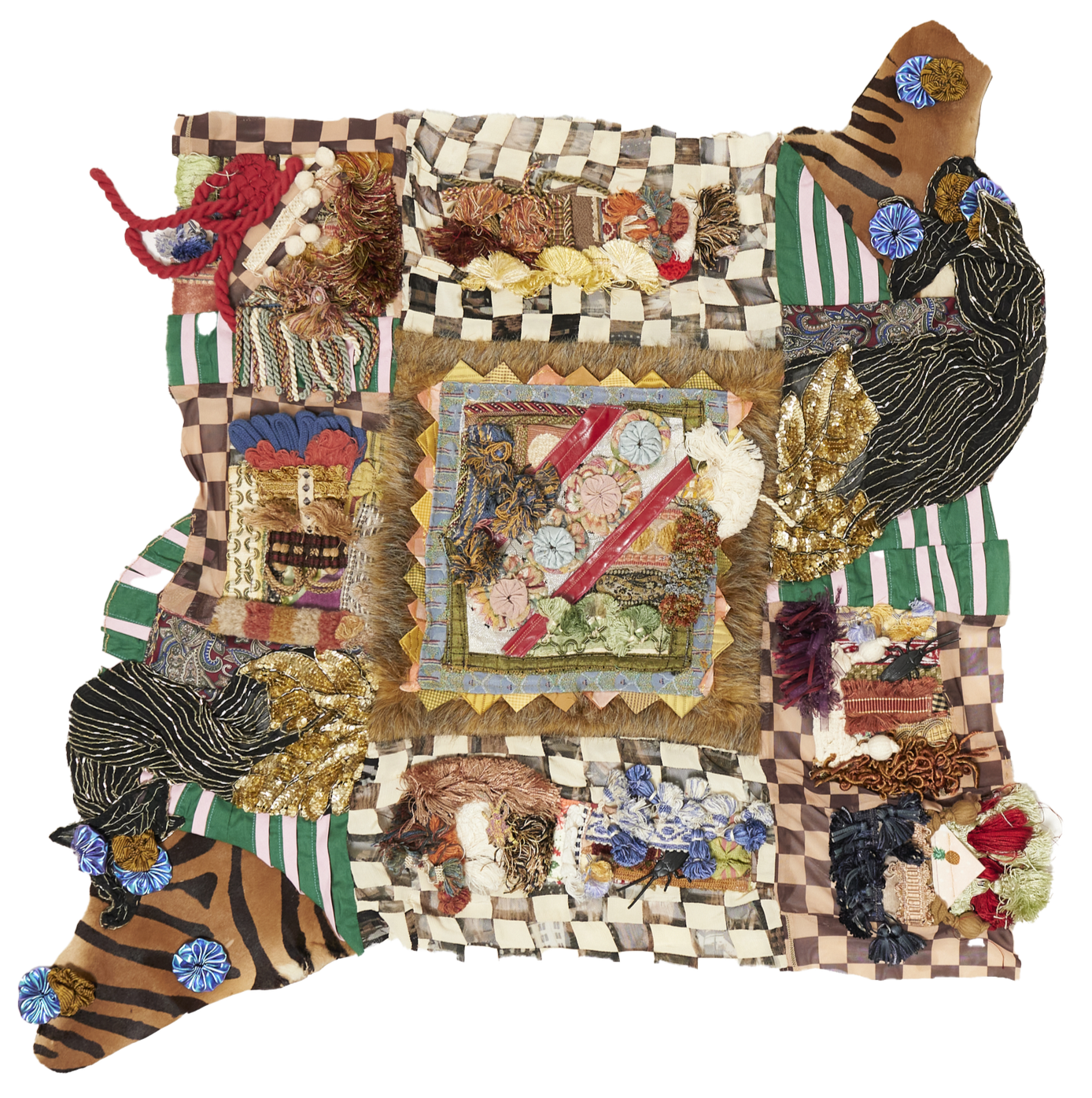
Faviola Calymayor | “Acid Mary” | 2025 | wood, nail polish, glitter, polymer clay, resin, a googly eye (for watchful protection), beads, velvet trim, cabochons, resin and an amethyst
Indulgence

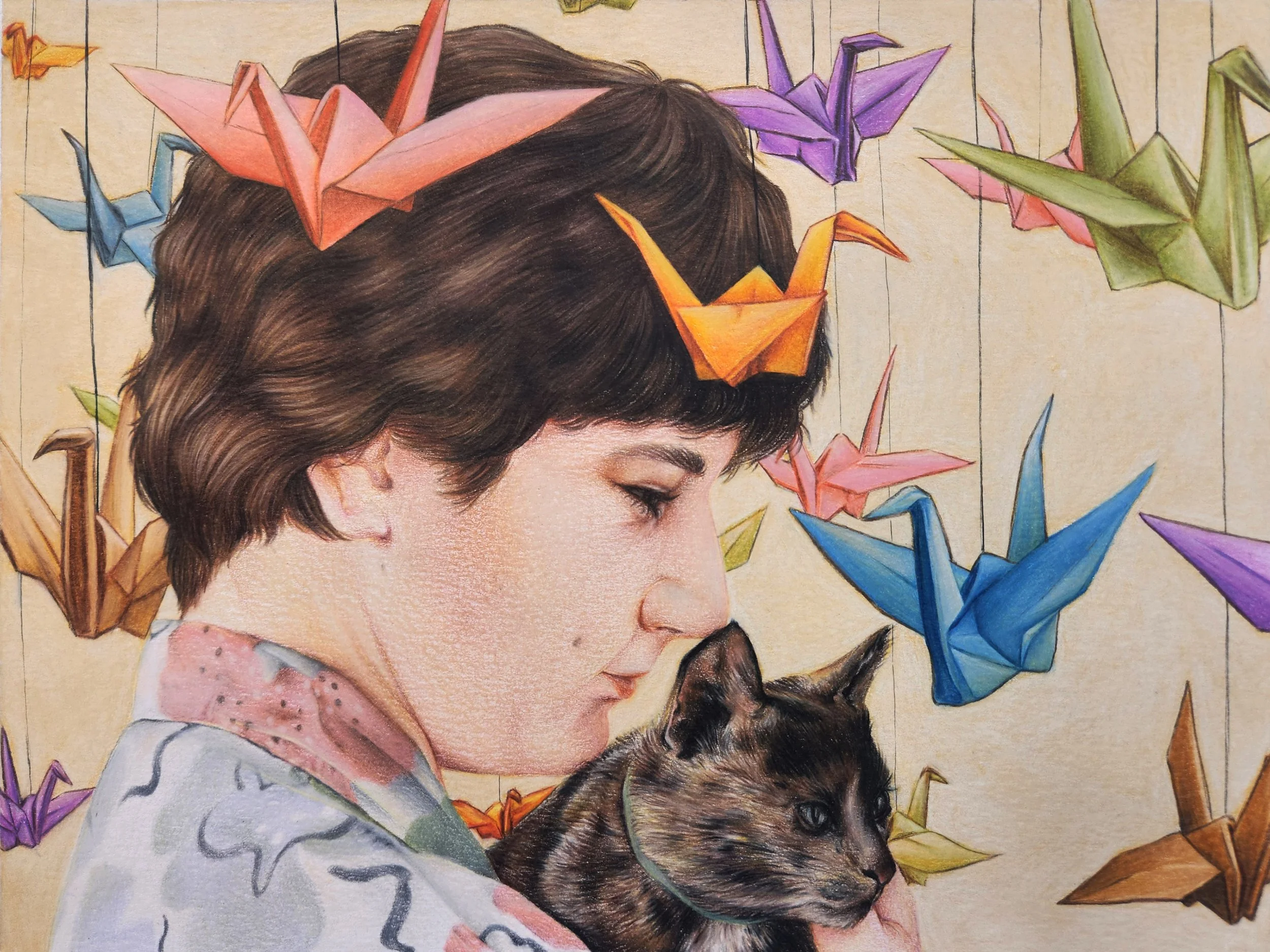
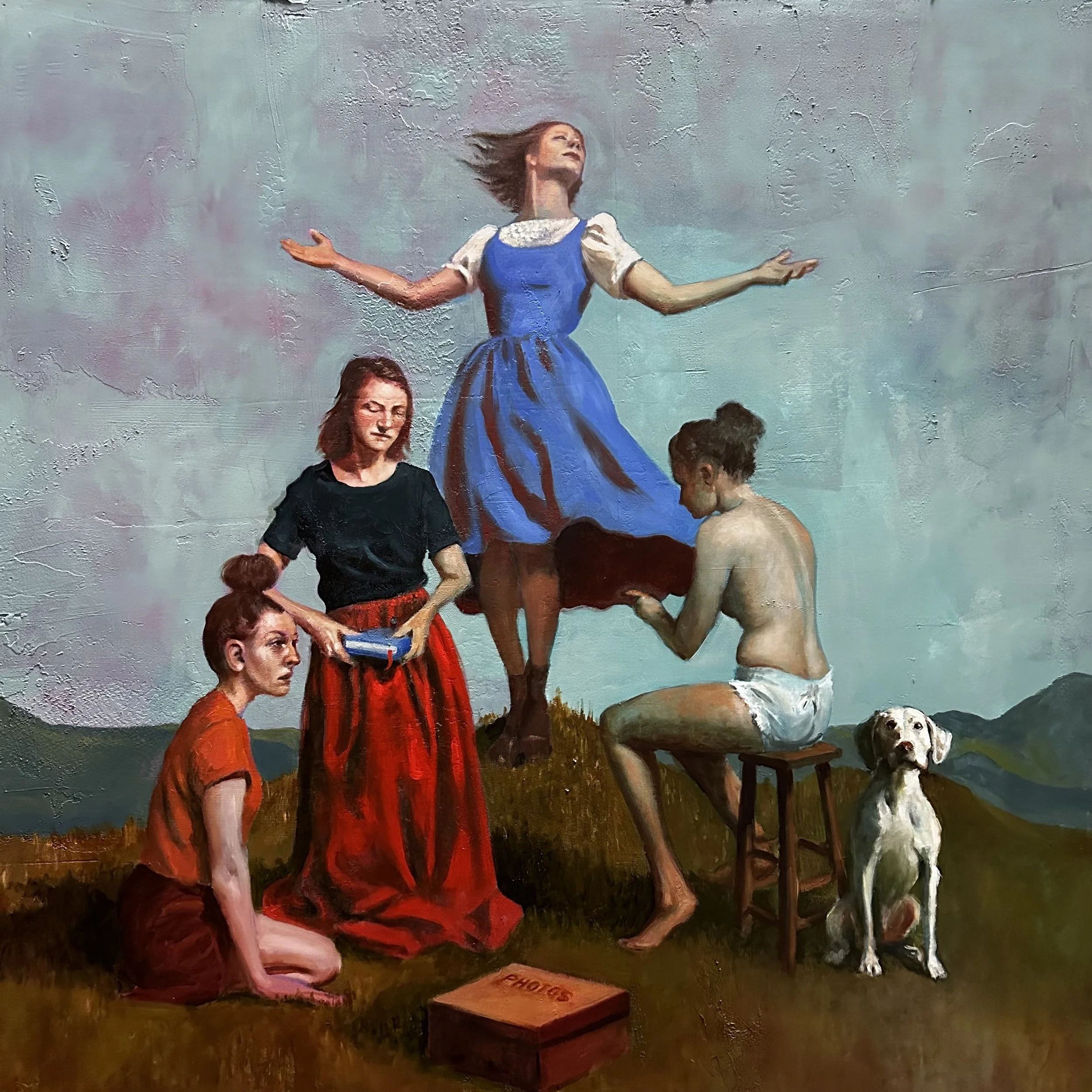
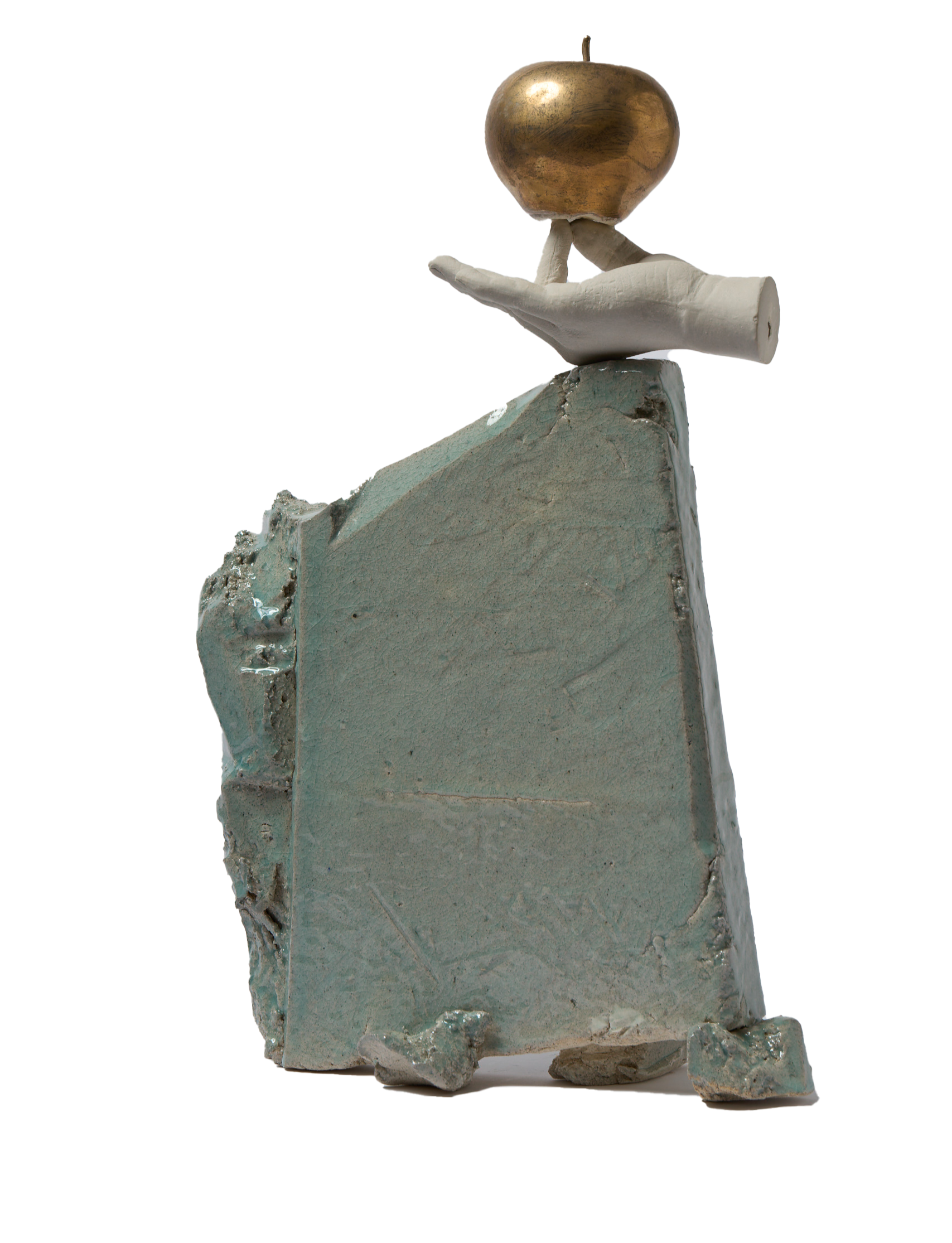
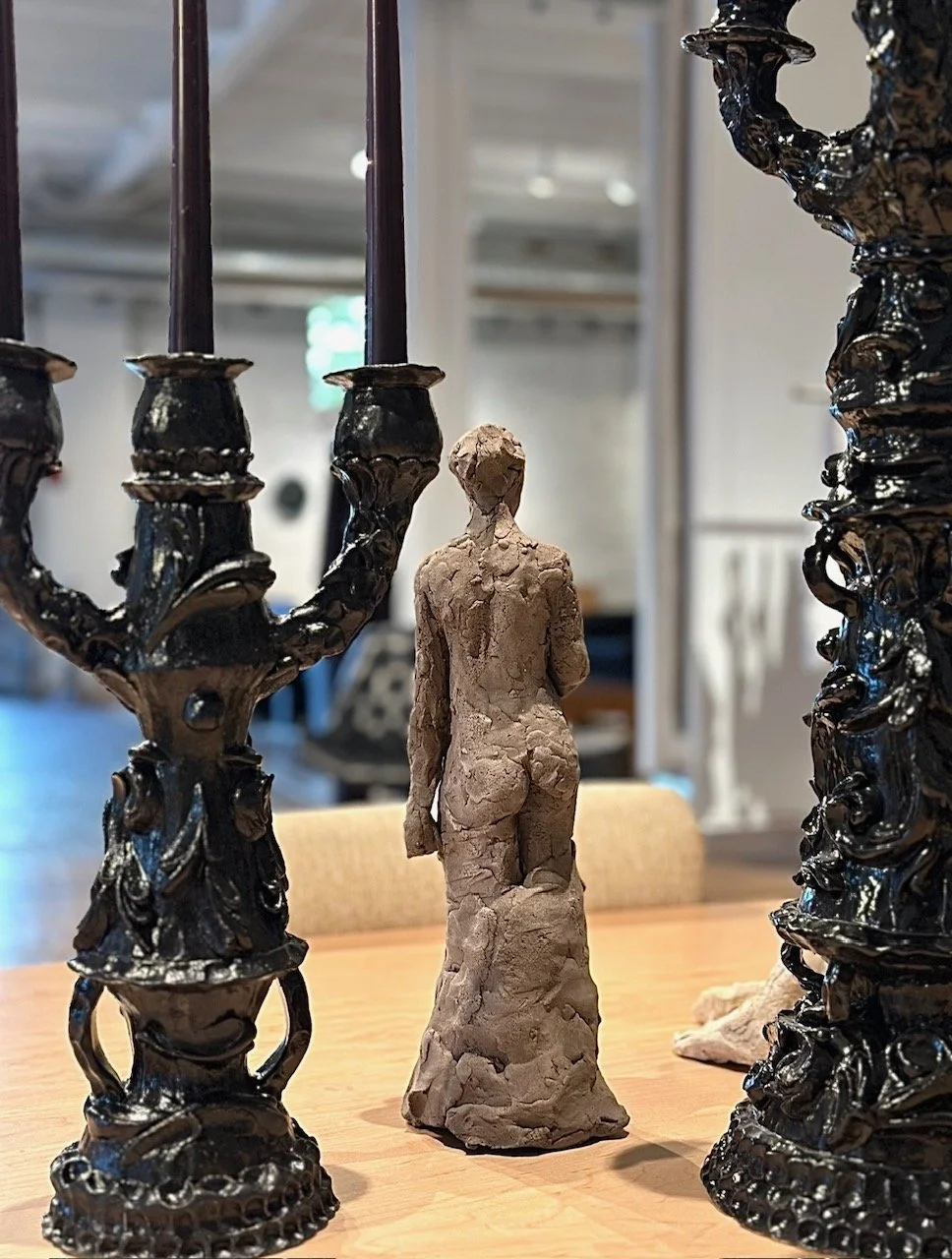
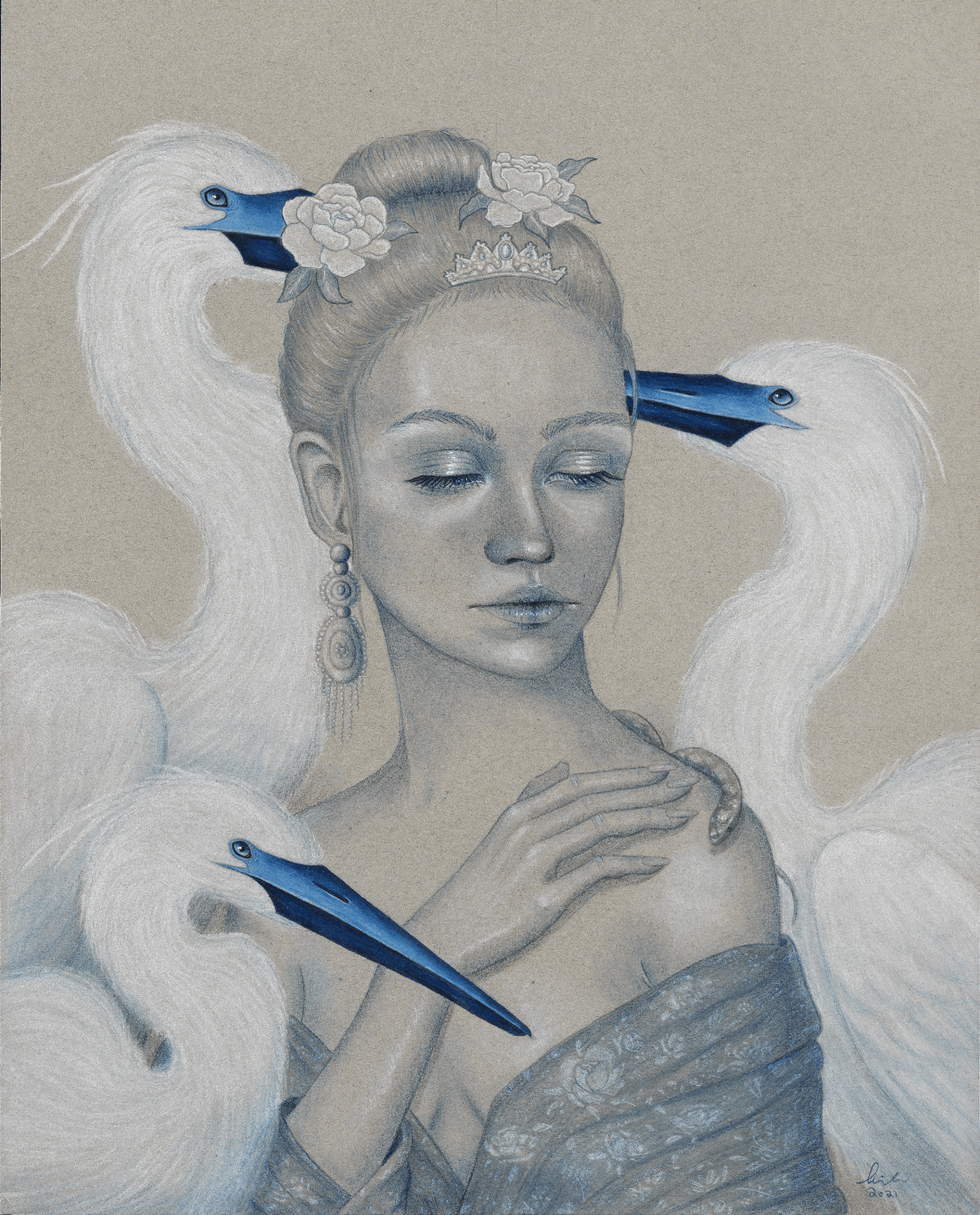
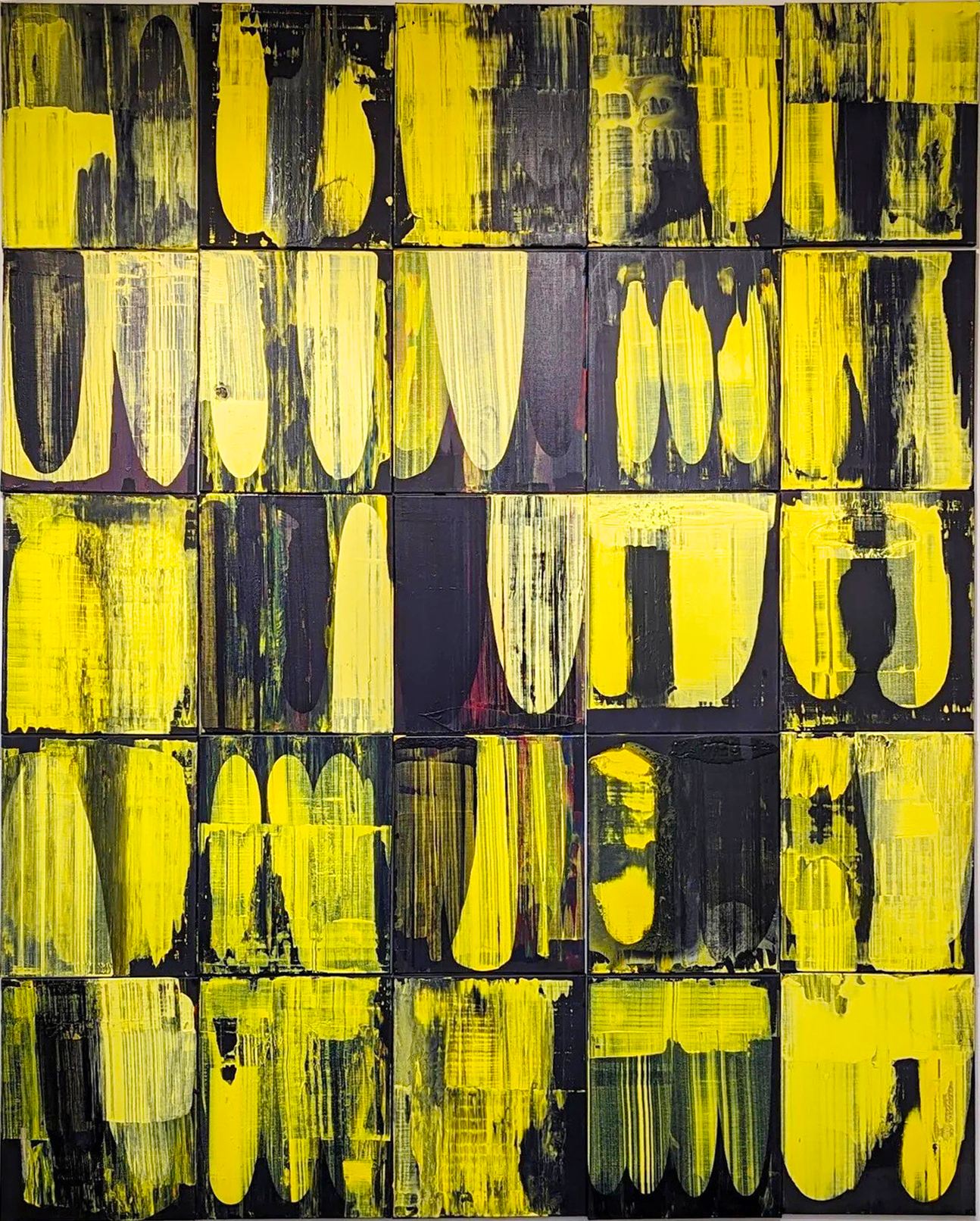
To live with an artwork is to allow it to fade and resurface, and to matter differently over time.
— Nyonu Branch-Watkins
Epilogue
Humanity is in the midst of massive change. Over the past 30 years, the Internet has completely revolutionized our world. And, that includes the art world. With the internet came immediate global access to information. Museum collections and gallery exhibitions were now accessible everywhere as opposed to the past. Today, artificial intelligence will not just change art but also how humanity interacts with art. Ask the right questions and, within seconds, one will have a computer created critique mirroring human created critiques.
Soon, art criticism will be one of the few areas where purely human thinking interprets and questions art. And, that is vital because art is fundamentally human in nature. Art, it could be said, are the tangible reflections of the abstract human experience. Since art is human, human art criticism is necessary for an artist to question their work and think more critically about it. Human art criticism is necessary for art appreciators to question their interaction with the work. Human art criticism is necessary for art to remain human.
Criticism, as subjective as it is, is necessary for diversity of thought.
It is different from the technical knowledge of the work or the artist’s own explanation of the work. In a sense, discussion of art is like a triangle with technical knowledge, the artist’s explanation, and criticism of the art being the three sides. One side is concrete and absolute, another is internal thought on the work, and the other is external thought on the work. Constantly changing in size and form as humanity and human thought changes, the ever-mutating triangle of art criticism, in a sense, is the art’s place in the world.
All art has its own voice.
Art criticism helps us truly hear that voice.
— Harold Smith • November 2025
Contributors
+ writing ~ artNyonu Branch-Watkins, Editor-in-Chief
Elinore Noyes, Communications Director